Austin also has natural advantages: Barton Springs Pool stays around 68°F year-round — a spring-fed option for cold exposure — and the Lady Bird Lake trail loop gives runners and walkers a car-free circuit through downtown.
Austin by the numbers
- County
- Travis County
- Climate
- Humid subtropical
- Elevation
- under 500 ft
- Latitude
- 30.3°N
- Shortest day
- 10h 3m
- Longest day
- 13h 57m
- Vitamin D winter
- Late December to January
At a glance
Austin at a glance
- Foundations first — then layer sauna, cold and tracking tools.
- Use Barton Springs for accessible, moderate cold exposure.
- Guard focus and prevent burnout in demanding tech careers.
- Personalize with labs and genetic insight.
Climate & lifestyle
What living in Austin means for your health
Austin summers are long and hot, with many days near or above 100°F, while winters are mild. Occasional winter cold snaps and spring storms add variability.
- heat-smart summer training
- hydration with electrolytes
- protecting sleep and focus from long screen days
- sleep consistency around late nights
Light, sleep & vitamin D
Daylight in Austin across the year
10h 3m
Shortest day (December)
13h 57m
Longest day (June)
~1 mo
Low-UVB “vitamin D winter”
At about 30.3°N, Austin sees a 3h 55m swing in day length between the solstices. UVB is weakest in midwinter, but midday sun can still support vitamin D production most of the year. That's roughly late December to January. Bright morning light helps anchor your body clock, and a simple blood test shows whether your vitamin D is where it should be.
Calculated from latitude using standard solar formulas and published latitude research. How we calculate this
Local wellness trends
Wellness trends in Austin
Social sauna & cold plunge
Contrast-therapy spaces have become social hubs as much as recovery tools.
Tech-career optimization
Focus, productivity and burnout prevention are top priorities for knowledge workers.
Outdoor fitness
Trail running, paddleboarding and cycling fill the calendar.
Live-music late nights
A vibrant music scene makes sleep consistency an intentional choice.
Local health optimization resources
Places to move, recover and eat well in Austin
- Cold water swimmingBarton Springs PoolA spring-fed pool around 68°F year-round — a natural, moderate cold exposure.
- Running & walkingAnn and Roy Butler Hike-and-Bike TrailA roughly 10-mile loop around Lady Bird Lake.
- TrailsBarton Creek GreenbeltShaded trails and swimming holes for nature time.
- Low-impact cardioLady Bird Lake paddlingKayaking and stand-up paddleboarding for full-body movement.
Testing
At-home wellness genetic testing
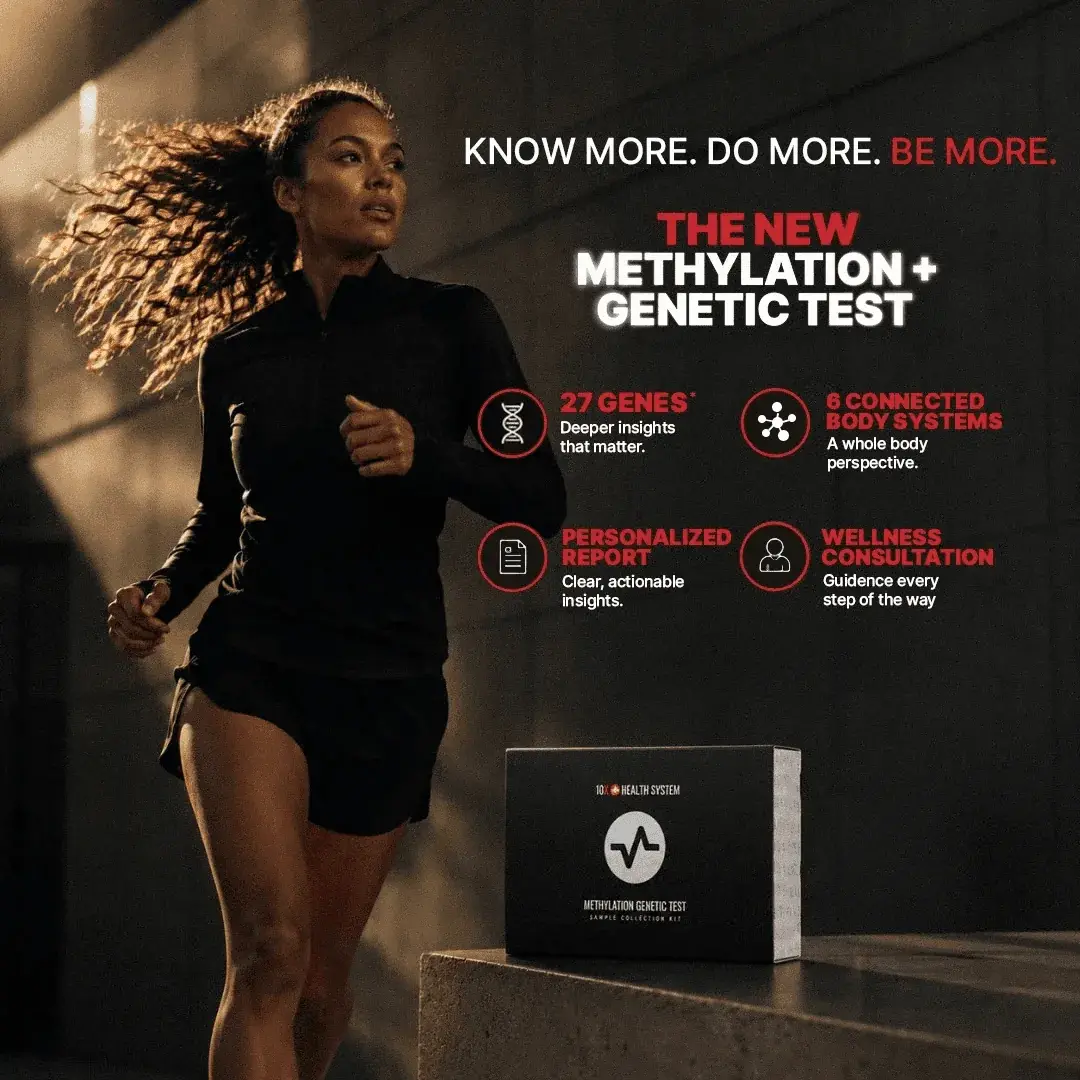
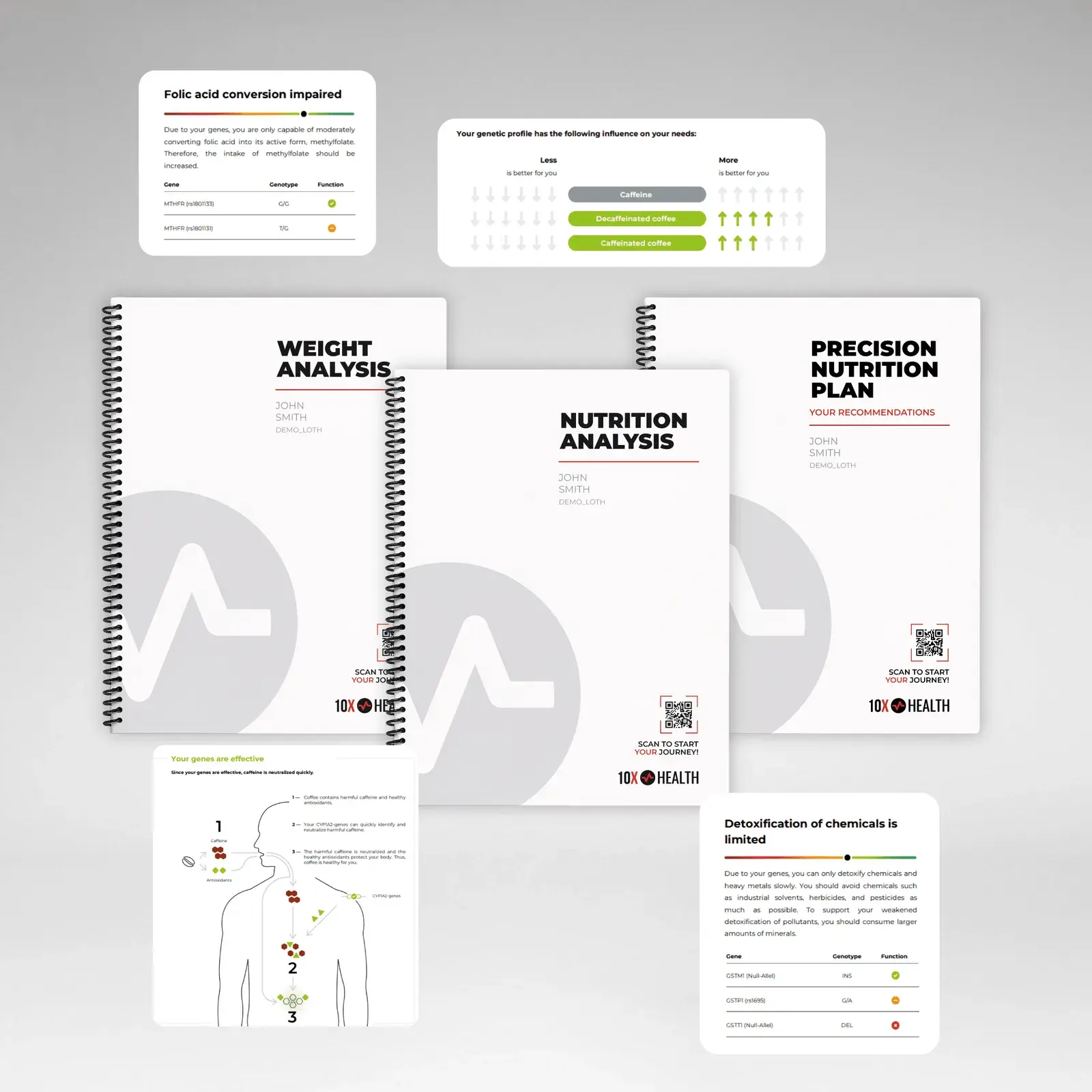
Available throughout Austin: order online, collect a sample at home and review results with a qualified professional.
Learn more about at-home wellness genetic testingHealthcare
Preventive care & baseline labs
Primary care clinicians in Travis County can order baseline labs — such as a lipid panel, HbA1c, vitamin D and B12 — useful context for any wellness plan.
Learn more about preventive care & baseline labsRecovery
Sauna & recovery studios
Gyms, spas and recovery studios around Austin offer sauna and cold plunge — look for clean facilities and clear safety guidance.
Learn more about sauna & recovery studiosSeasonal playbook
A seasonal wellness playbook for Austin
- Summer: train at dawn; Barton Springs offers a refreshing cool-down.
- Spring and fall: ideal for long trail sessions on the Greenbelt.
- Show nights: plan sleep and alcohol to protect the next day.
- Contrast therapy: start conservatively and hydrate well.
Recommended reading
The most relevant guides for Austin residents
FAQ
Austin wellness FAQs
Is Barton Springs cold enough for cold exposure?
Can I get a wellness genetic test in Austin?
How do I avoid burnout in a fast-paced tech job?
Should I combine sauna and cold plunge?
Can you get enough vitamin D from the sun in Austin?
How do seasonal daylight changes in Austin affect sleep?
The bottom line
Living well in Austin means working with its hot, humid summers and mild winters: heat-smart summer training, hydration with electrolytes and protecting sleep and focus from long screen days. Add the fundamentals — consistent sleep, daily movement, strength training and a whole-food diet — and personalize with the wellness assessment and at-home testing.