This guide outlines the levels of prevention, the biomarkers worth discussing with your clinician, how family history and genetics fit in, and a simple annual plan.
On this page +
Quick facts
- Levels
- Primary · Secondary · Tertiary
- Silent risks
- BP, glucose, lipids
- Key habit
- Annual check-up
- Personalize with
- Family history + DNA
Definition
What is preventative wellness?
Public health describes three levels: primary prevention (stopping problems before they start — exercise, vaccines, not smoking), secondary prevention (catching issues early — screenings, lab work) and tertiary prevention (managing existing conditions to avoid complications).
Preventative wellness combines all three with a personal lens: your family history, genetics, lifestyle and goals.
Why it matters
Why prevention matters
Many chronic conditions develop silently for years. High blood pressure, elevated blood sugar and unfavorable lipids often cause no symptoms until complications appear. Early detection creates options.
Prevention also gives you trend data. A single lab result is a snapshot; five years of results tell a story you can act on.
At a glance
Key takeaways
- Prevention works at three levels: primary, secondary and tertiary.
- Many important risk factors — blood pressure, glucose, lipids — are silent without testing.
- Family history and genetics help personalize what to monitor.
- Trend data over years is more valuable than one-off results.
- Follow evidence-based screening guidelines with your clinician.
Biomarkers to discuss with your clinician
Not everyone needs every test. These are commonly discussed markers for proactive adults.
- Blood pressure — measured regularly, including at home.
- Lipids — including ApoB or non-HDL cholesterol where appropriate.
- Glucose control — fasting glucose and HbA1c.
- Inflammation — high-sensitivity CRP.
- Nutrients — vitamin D, B12, folate, ferritin; homocysteine for methylation context.
- Organ function — kidney and liver panels; thyroid as indicated.
- Body composition — waist circumference, muscle mass.
Screenings: follow the guidelines
Screening recommendations depend on age, sex and risk. In the U.S., the U.S. Preventive Services Task Force publishes evidence-based recommendations — for example, colorectal cancer screening for average-risk adults now starts at age 45. Your clinician can tailor a schedule to you.
Family history and genetics
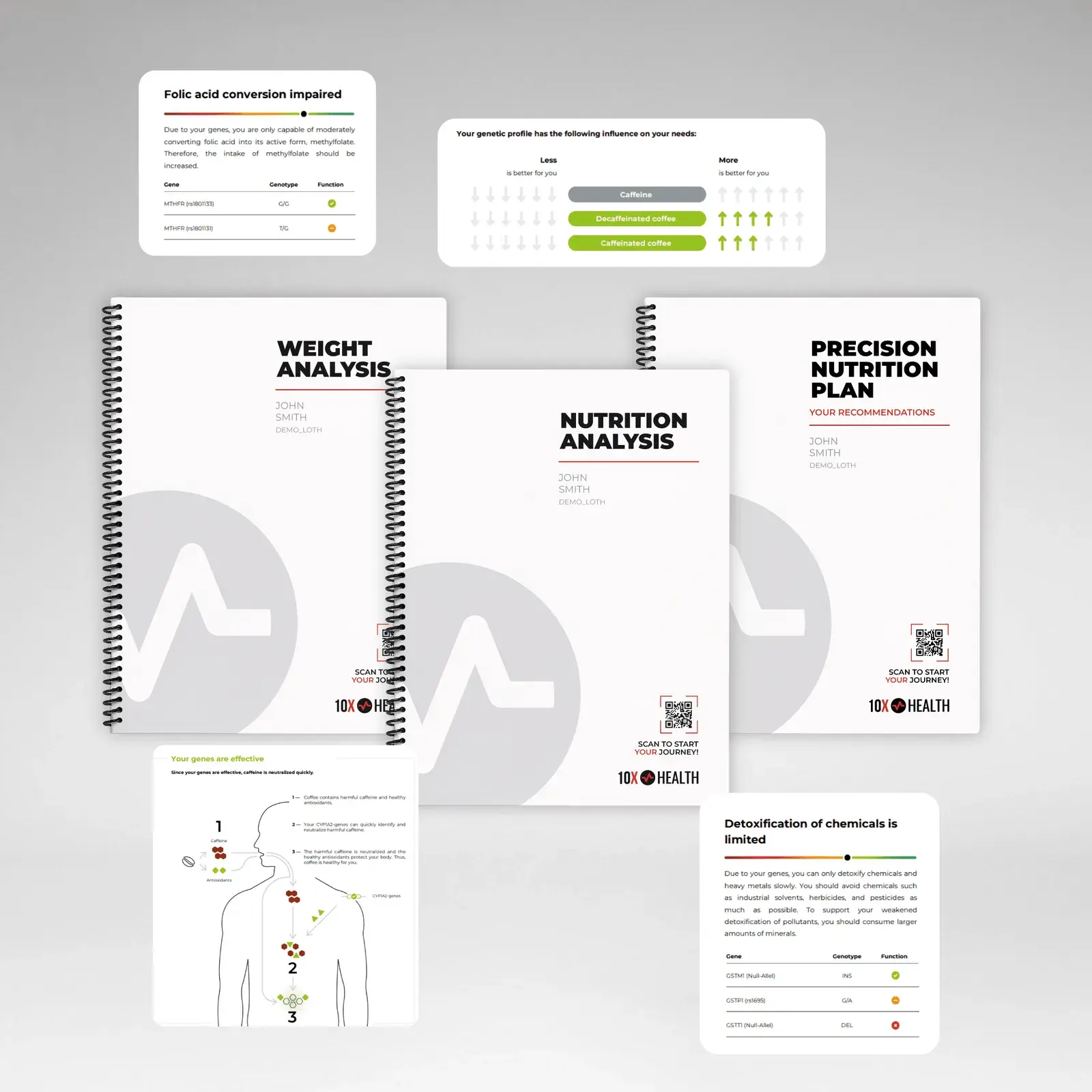
Family history remains one of the most useful risk tools. Ask relatives about heart disease, diabetes, cancers and early deaths. Wellness genetic testing can add lifestyle-relevant context (for example, methylation genes), while clinical genetic testing addresses hereditary disease risk.
Get the Live10X Briefing
One evidence-informed longevity insight a week.
A simple yearly prevention calendar
- January: annual physical and core labs.
- Spring: dental and vision check-ups.
- Summer: skin check; review sun protection.
- Fall: vaccinations as recommended; retest any flagged labs.
- Quarterly: review sleep, training and nutrition habits against your goals.
The bottom line
Preventative wellness turns health into a proactive project: know your numbers, follow evidence-based screening, understand your family history, personalize with genetics where useful, and track trends year over year. Build your plan with the Longevity Starter Guide.
FAQ
Frequently asked questions
What blood tests should I get every year?
Is preventative wellness the same as functional medicine?
Can genetic testing replace screenings?
People also ask
More questions people ask
What is the difference between primary and secondary prevention?
How often should healthy adults see a doctor?
Answers
Related questions
Key terms
Citations
Sources & references
- [1]The Physical Activity Guidelines for AmericansPiercy KL, Troiano RP, Ballard RM, et al.. JAMA, 2018 · Practice guidelineView source : The Physical Activity Guidelines for Americans (opens in a new tab)
- [2]Dietary Guidelines for AmericansU.S. Department of Agriculture and U.S. Department of Health and Human Services · Government resourceView source : Dietary Guidelines for Americans (opens in a new tab)
- [3]Vitamin D: Fact Sheet for Health ProfessionalsNIH Office of Dietary Supplements · Government resourceView source : Vitamin D: Fact Sheet for Health Professionals (opens in a new tab)
Study links open a PubMed search for the exact title, so they keep working even if a journal changes its URL.