That active culture pairs naturally with an interest in recovery and performance — and with Florida's heat and humidity, recovering well is a skill worth mastering.
Tampa by the numbers
- County
- Hillsborough County
- Climate
- Humid subtropical
- Elevation
- near sea level
- Latitude
- 28.0°N
- Shortest day
- 10h 14m
- Longest day
- 13h 46m
- Vitamin D winter
- Minimal
- Metro
- Tampa Bay
At a glance
Tampa at a glance
- Use Tampa's waterfront trails for daily low-intensity movement.
- Train early in summer to avoid heat and afternoon storms.
- Treat recovery — sleep, protein, hydration — as part of training.
- Personalize with labs and genetic insight.
Climate & lifestyle
What living in Tampa means for your health
Tampa's humid subtropical climate brings hot, humid summers with frequent afternoon thunderstorms and mild, pleasant winters. Summer storms often follow a predictable afternoon pattern, making mornings the best training window.
- heat-smart summer training
- hydration with electrolytes
- stress resilience for demanding careers
- protecting sleep on hot nights
Light, sleep & vitamin D
Daylight in Tampa across the year
10h 14m
Shortest day (December)
13h 46m
Longest day (June)
Year-round
Usable UVB for vitamin D
At about 28.0°N, Tampa sees a 3h 33m swing in day length between the solstices. Midday sun usually provides enough UVB for vitamin D production year-round. Bright morning light helps anchor your body clock, and a simple blood test shows whether your vitamin D is where it should be.
Calculated from latitude using standard solar formulas and published latitude research. How we calculate this
Local wellness trends
Wellness trends in Tampa
Waterfront fitness
Running clubs, walking groups and cycling along Bayshore and the Riverwalk anchor the city's fitness scene.
Sports-inspired performance
A strong pro-sports culture fuels interest in strength, recovery and performance testing.
Young professional wellness
Growing downtown and Westshore populations seek efficient routines for energy and focus.
Heat-smart recovery
Hydration, electrolytes and cooler training hours are essential from May through September.
Local health optimization resources
Places to move, recover and eat well in Tampa
- Running & walkingBayshore BoulevardA long, scenic waterfront route ideal for steady zone 2 efforts.
- Urban trailTampa RiverwalkA connected downtown path linking parks, museums and restaurants.
- NatureHillsborough River State ParkShaded trails and river views for nature time and hiking.
- CyclingUpper Tampa Bay TrailA paved trail for longer rides and walks away from traffic.
Testing
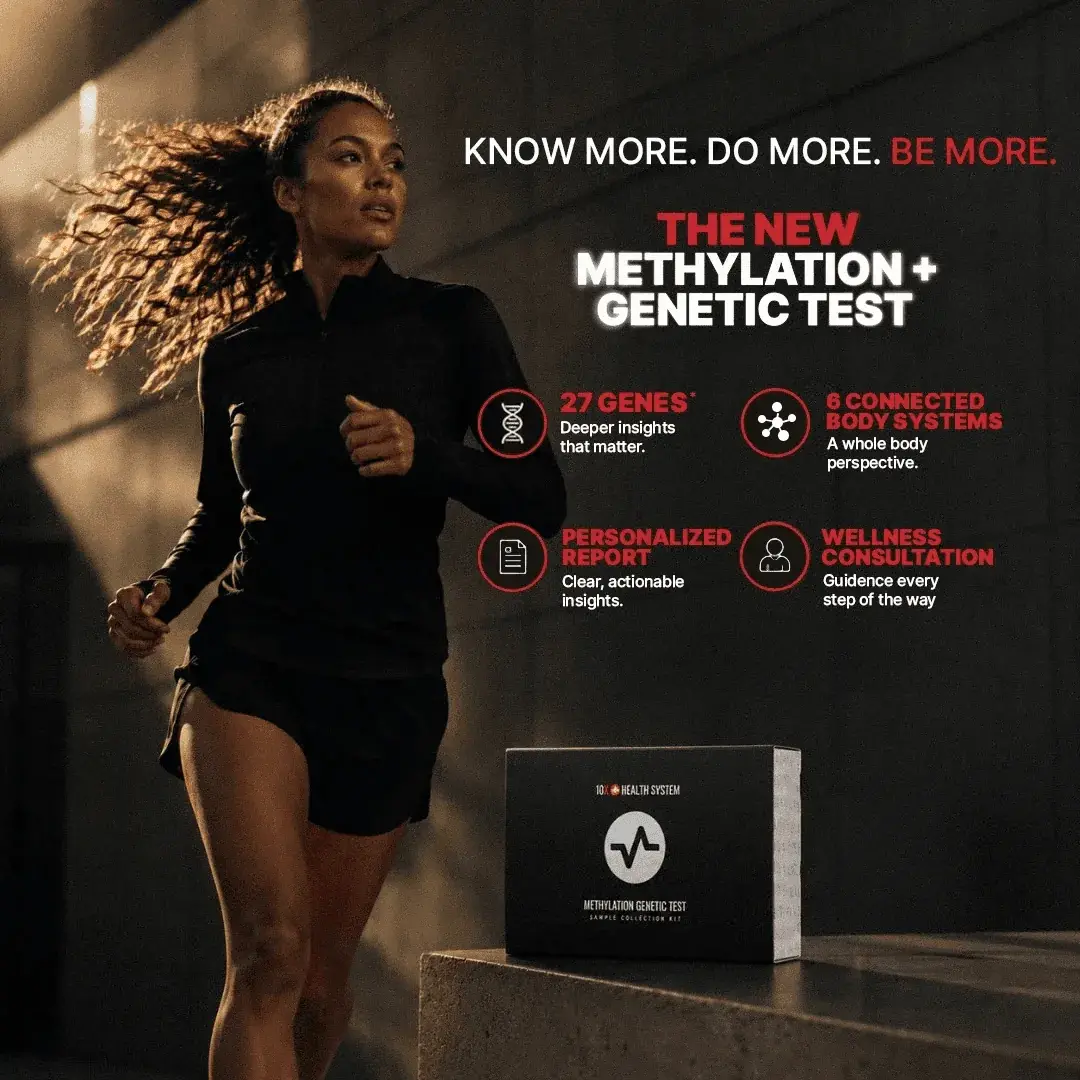
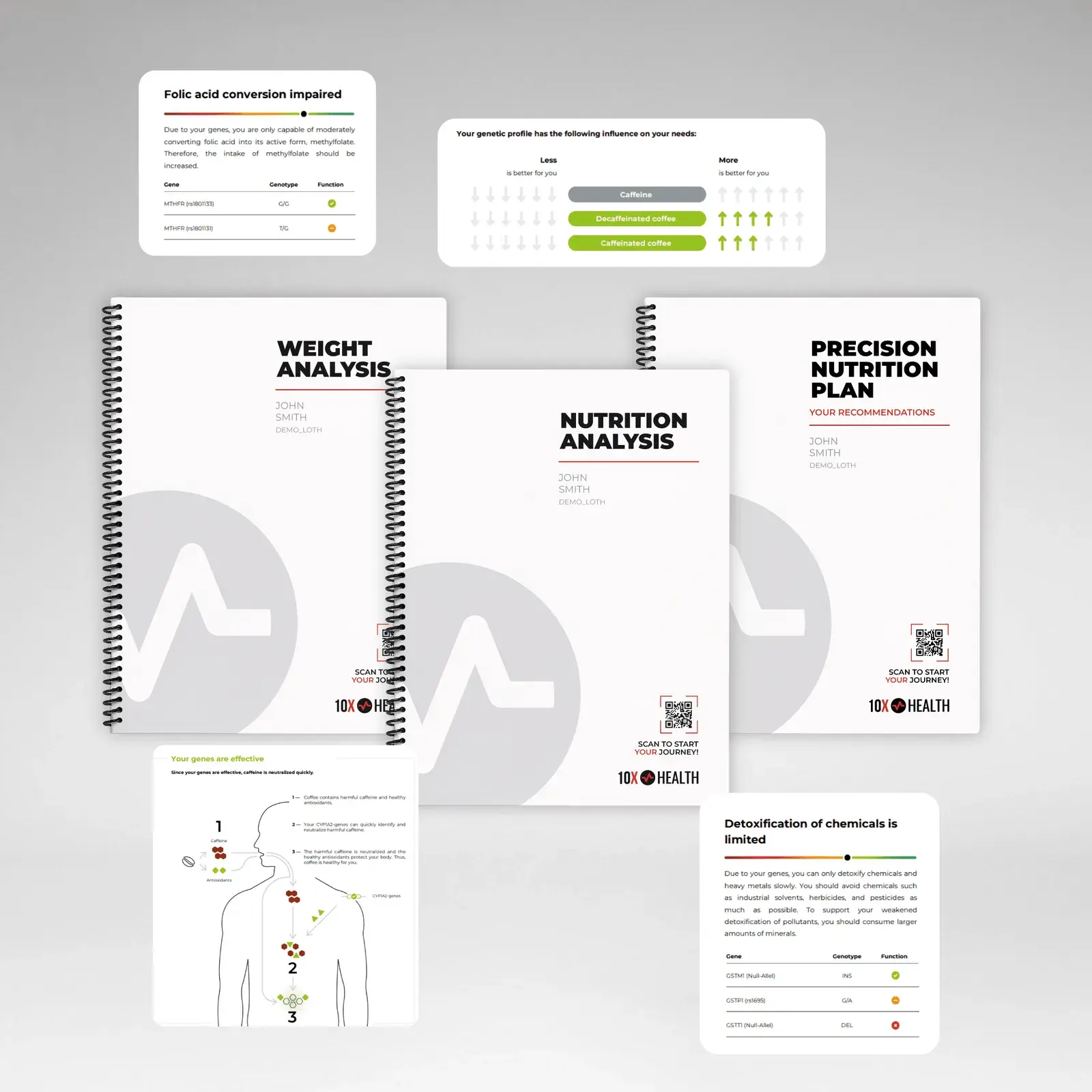
At-home wellness genetic testing
Available throughout Tampa: order online, collect a sample at home and review results with a qualified professional.
Learn more about at-home wellness genetic testingHealthcare
Preventive care & baseline labs
Primary care clinicians in Hillsborough County can order baseline labs — such as a lipid panel, HbA1c, vitamin D and B12 — useful context for any wellness plan.
Learn more about preventive care & baseline labsSeasonal playbook
A seasonal wellness playbook for Tampa
- Summer: schedule outdoor sessions before storms and heat peak — mornings are best.
- Fall and winter: ideal for longer runs, rides and outdoor strength sessions.
- Year-round: hydrate proactively and protect skin from strong UV.
- Game-day weekends: plan sleep and alcohol intake to protect Monday energy.
Recommended reading
The most relevant guides for Tampa residents
FAQ
Tampa wellness FAQs
Where can I get genetic testing in Tampa?
How should I adjust training for Tampa summers?
What recovery habits matter most for active Tampa residents?
Is Bayshore Boulevard good for zone 2 training?
Can you get enough vitamin D from the sun in Tampa?
How do seasonal daylight changes in Tampa affect sleep?
The bottom line
Living well in Tampa means working with its hot, humid summers and mild winters: heat-smart summer training, hydration with electrolytes and stress resilience for demanding careers. Add the fundamentals — consistent sleep, daily movement, strength training and a whole-food diet — and personalize with the wellness assessment and at-home testing.