Metro guide · 3 cities
Longevity & Wellness in the New York Metro
Quick answer
What should people in the New York Metro prioritize for wellness and longevity?
Across New York City, Hoboken and Stamford, the humid subtropical and humid continental climate brings hot, humid summers and mild winters, so the priorities are heat-smart summer training, hydration with electrolytes and winter light and vitamin D awareness. Layer those on top of consistent sleep, daily movement, strength training and a whole-food diet, and personalize with at-home testing.
Known collectively for a large finance and corporate workforce, a strong food culture and an arts-forward culture, the region's wellness priorities start with heat-smart summer training, hydration with electrolytes and winter light and vitamin D awareness. Daylight at New York City ranges from about 9h 5m to 14h 55m across the year.
New York Metro at a glance
- Cities covered
- 3
- Span
- about 34 miles
- Climate
- Humid subtropical and humid continental
- Principal city
- New York City
City-by-city comparison
How New York Metro cities compare
| City | Climate | Elevation | Shortest / longest day | Vitamin D winter |
|---|---|---|---|---|
| New York City | Humid subtropical | near sea level | 9h 5m / 14h 55m | November through February |
| Hoboken | Humid subtropical | near sea level | 9h 5m / 14h 55m | November through February |
| Stamford | Humid continental | near sea level | 9h 3m / 14h 57m | November through February |
At a glance
Key takeaways
- The New York Metro guide covers New York City, Hoboken and Stamford across about 34 miles.
- Shared priorities: heat-smart summer training, hydration with electrolytes and winter light and vitamin D awareness.
- Elevation is similar across the metro, so one training plan travels well.
- At-home testing and a wellness assessment help personalize the regional playbook.
Shared wellness priorities
- heat-smart summer training
- hydration with electrolytes
- winter light and vitamin D awareness
- stress resilience for demanding careers
- a winter movement plan
Regional trends
Wellness trends across the New York Metro
Heat-season strategy
Long summers in the New York Metro push workouts to early mornings, shaded trails and indoor gyms — and make hydration a year-round habit.
High-performance careers
Long hours in the New York Metro's corporate and finance roles fuel interest in executive health, caffeine strategy and stress resilience.
Food culture & personalized nutrition
the New York Metro's food scene puts farmers markets and diverse cuisines within reach, fueling interest in gut health and nutrigenomics.
Mind-body wellness
Yoga studios, meditation groups and a creative culture support stress resilience in the New York Metro.
City guides in the New York Metro
Recommended reading
Guides for New York Metro residents
FAQ
New York Metro wellness FAQs
Which cities does the New York Metro guide cover?
Does the climate differ across the New York Metro?
How can commuters in the New York Metro stay active?
Can you get enough vitamin D from the sun in the New York Metro?
Where can I get wellness genetic testing in the New York Metro?
The bottom line
Wellness in the New York Metro comes down to heat-smart summer training, hydration with electrolytes and winter light and vitamin D awareness, built on consistent sleep, daily movement and a whole-food diet. Use the city guides for local places and seasonal tips.
Nearby metro guides
Our partner store
Shop 10X Health
Genetic testing, the 10X Health System and daily supplements — straight from the official 10X Health store. Save 10% through our links.
- Save 10%
 New · Weight & metabolism10X Health Metabolism Genetic Test Shop now (opens 10X Health in a new tab; affiliate link)
- Save 10%
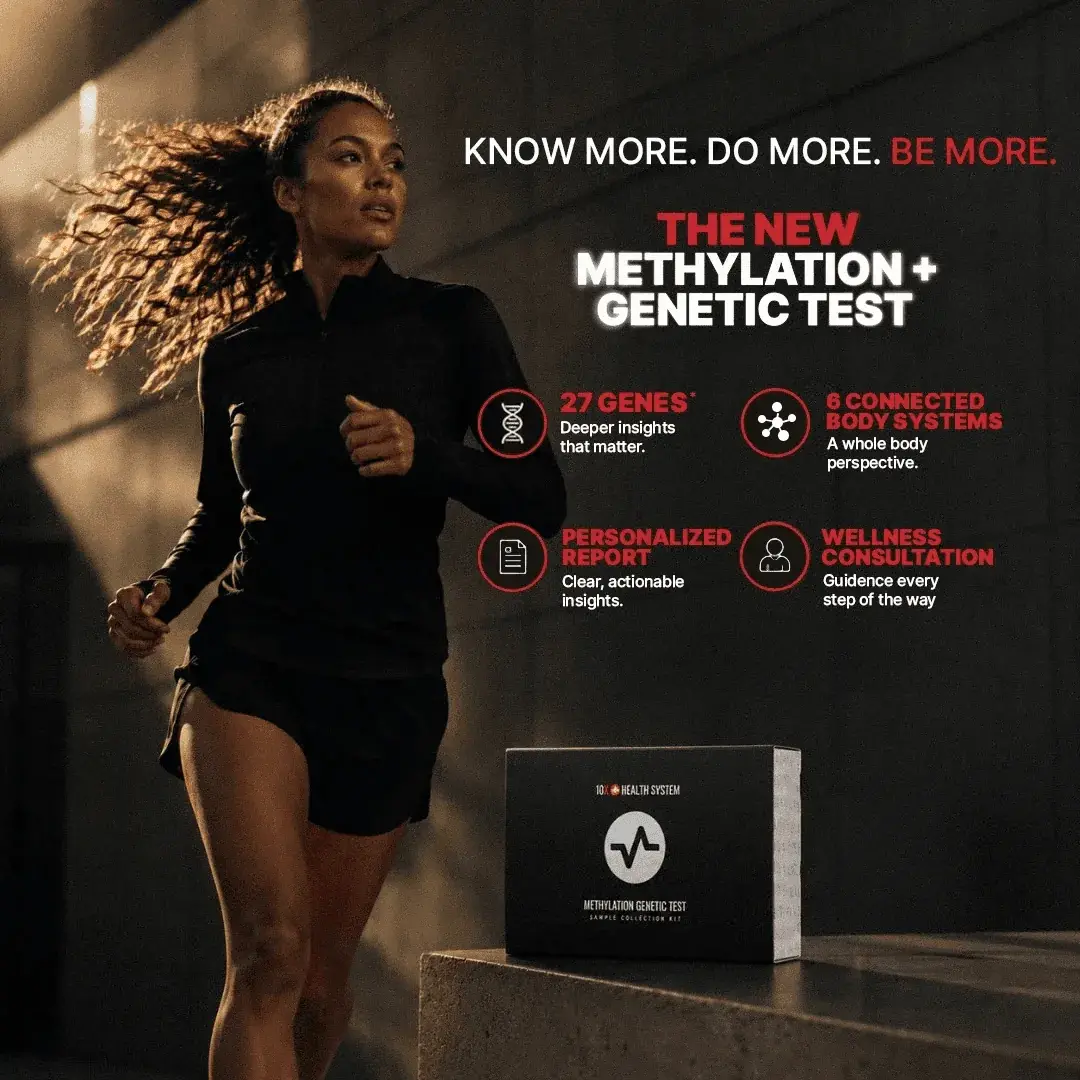 Wellness genetics10X Health Methylation + Genetic Test Shop now (opens 10X Health in a new tab; affiliate link)
- Save 10%
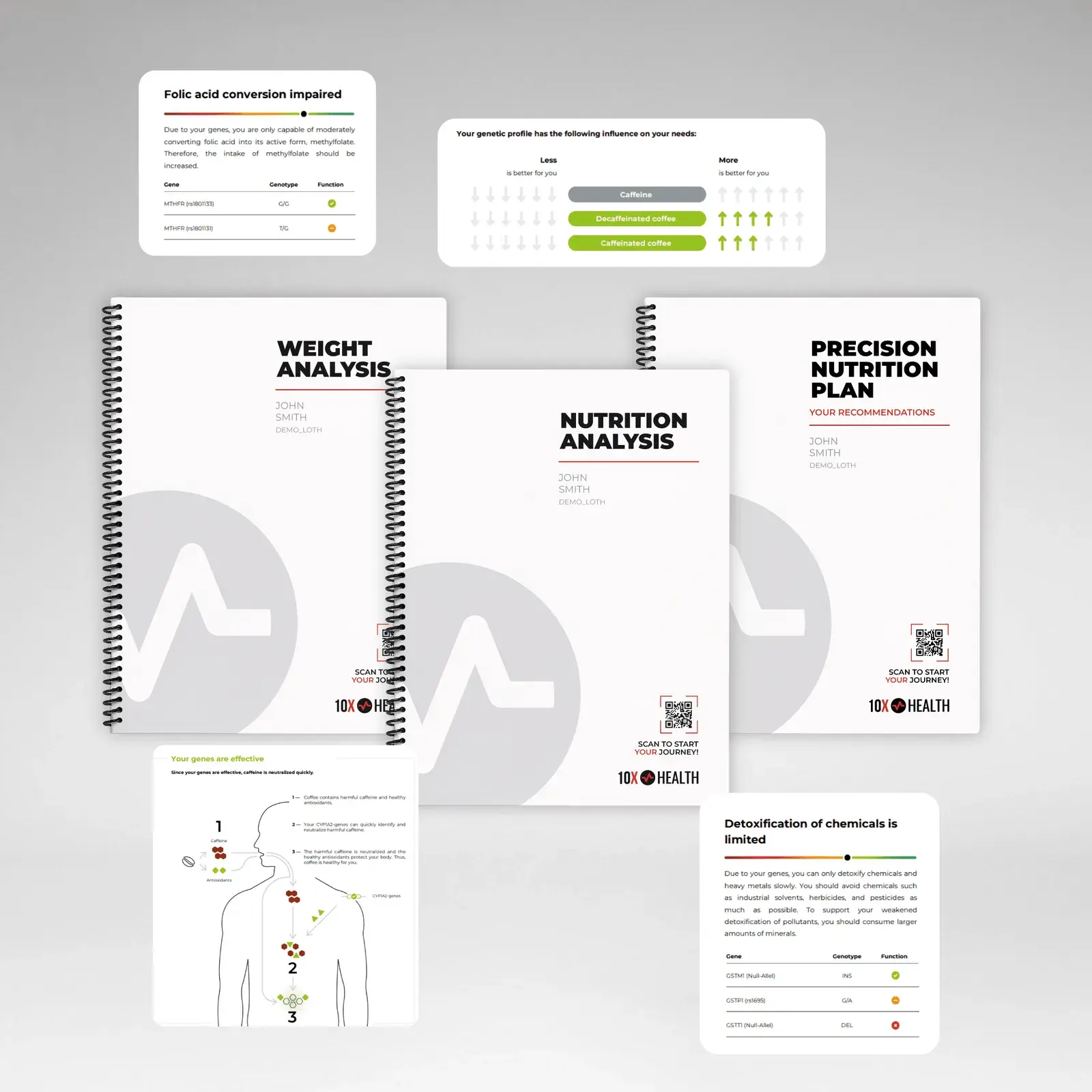 Personalized approachThe 10X Health System Shop now (opens 10X Health in a new tab; affiliate link)
- Save 10%
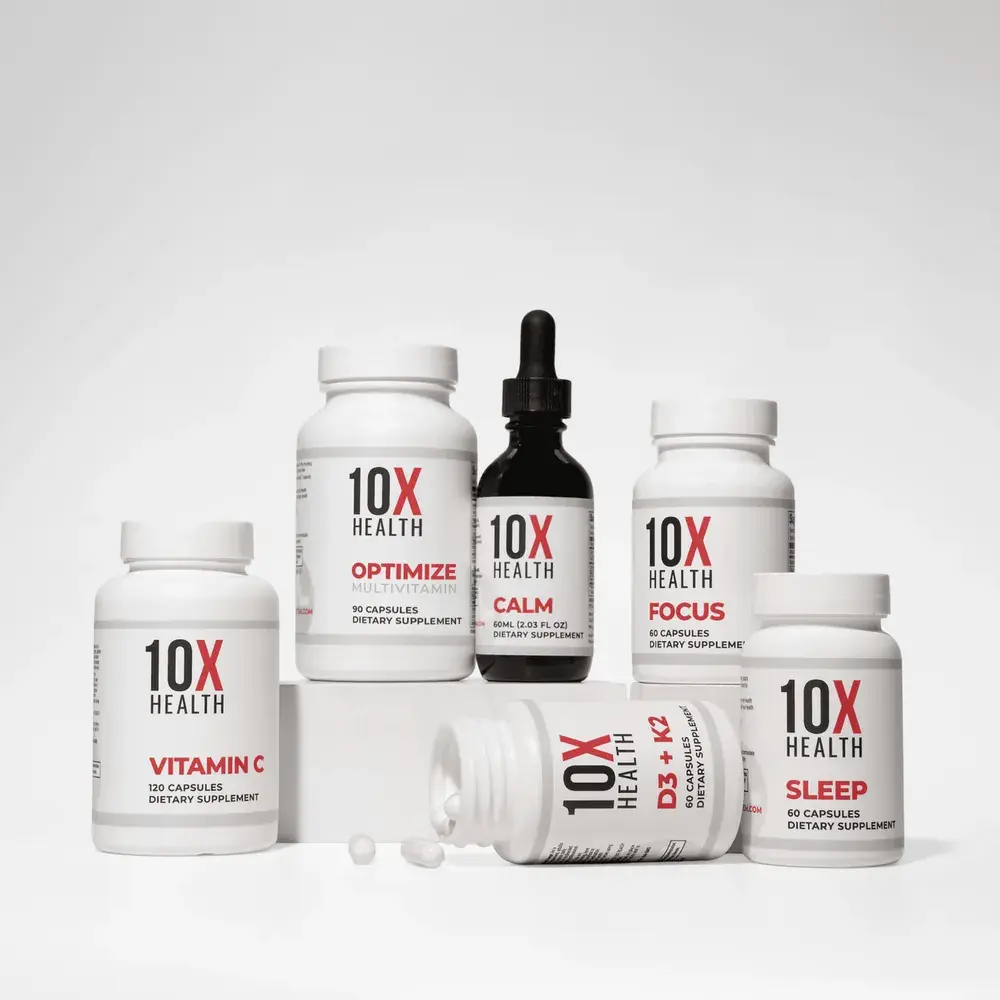 Daily foundations10X Health Foundations Shop now (opens 10X Health in a new tab; affiliate link)
Affiliate disclosure: Live10X is an independent educational site. If you purchase through our 10X Health links, we may earn a commission at no extra cost to you. It never changes what we write. Read our affiliate disclosure.
See everything we coverThese statements have not been evaluated by the Food and Drug Administration. These products are not intended to diagnose, treat, cure, or prevent any disease.
Stop guessing. Start with data — and a plan.
Take the free wellness assessment to find your highest-leverage focus areas, then explore genetic testing when you're ready to personalize further.
“Shop 10X Health” is an affiliate link — we may earn a commission at no extra cost to you. Affiliate disclosure