Across the year, daylight in Portland, Oregon ranges from about 8h 30m in December to 15h 30m in June — a 6h 59m swing that shapes sleep, mood and training rhythms. From roughly November through March, the sun sits too low for much vitamin D production.
The nearest other Live10X city guide is Bend, about 121 miles away.
Portland, Oregon by the numbers
- County
- Multnomah County
- Climate
- Marine west coast
- Elevation
- near sea level
- Latitude
- 45.5°N
- Shortest day
- 8h 30m
- Longest day
- 15h 30m
- Vitamin D winter
- November through March
At a glance
Portland, Oregon at a glance
- Top local priority in Portland, Oregon: morning light exposure in winter.
- Daylight swings from about 8h 30m to 15h 30m across the year — anchor your wake time and get morning light.
- Sunlight is too weak for much vitamin D production from roughly November through March; a blood test shows where you stand.
- Use Forest Park and Tom McCall Waterfront Park for easy, regular outdoor movement.
Climate & lifestyle
What living in Portland, Oregon means for your health
Portland, Oregon has a marine west-coast climate: mild temperatures most of the year, long gray and rainy stretches from fall through spring, and dry, pleasant summers. The biggest wellness challenges are low winter light — for mood, energy and vitamin D — and staying active through months of drizzle.
- morning light exposure in winter
- vitamin D awareness
- winter light and vitamin D awareness
- rain-ready outdoor habits
Light, sleep & vitamin D
Daylight in Portland, Oregon across the year
8h 30m
Shortest day (December)
15h 30m
Longest day (June)
~5 mo
Low-UVB “vitamin D winter”
At about 45.5°N, Portland, Oregon sees a 6h 59m swing in day length between the solstices. Winter sunlight is too weak for meaningful vitamin D production for roughly five months a year. That's roughly November through March. Bright morning light helps anchor your body clock, and a simple blood test shows whether your vitamin D is where it should be.
Calculated from latitude using standard solar formulas and published latitude research. How we calculate this
Local wellness trends
Wellness trends in Portland, Oregon
Rain-or-shine fitness
Locals in Portland, Oregon don't wait for sunshine: rain shells, drizzly trail runs and indoor climbing gyms keep people moving through the wet season.
Cycling culture
Bike lanes, greenways and group rides make cycling a practical way to build daily activity in Portland, Oregon.
Food culture & personalized nutrition
Portland, Oregon's food scene puts farmers markets and diverse cuisines within reach, fueling interest in gut health and nutrigenomics.
Riverfront greenways
Greenways and riverfront trails give Portland, Oregon car-free corridors for walking, running and cycling.
Local health optimization resources
Places to move, recover and eat well in Portland, Oregon
- ParkForest ParkGreen space for walks, bodyweight workouts and time in nature.
- WaterfrontTom McCall Waterfront ParkWaterfront paths for easy cardio and outdoor time.
- ParkMount Tabor ParkGreen space for walks, bodyweight workouts and time in nature.
Testing
At-home wellness genetic testing
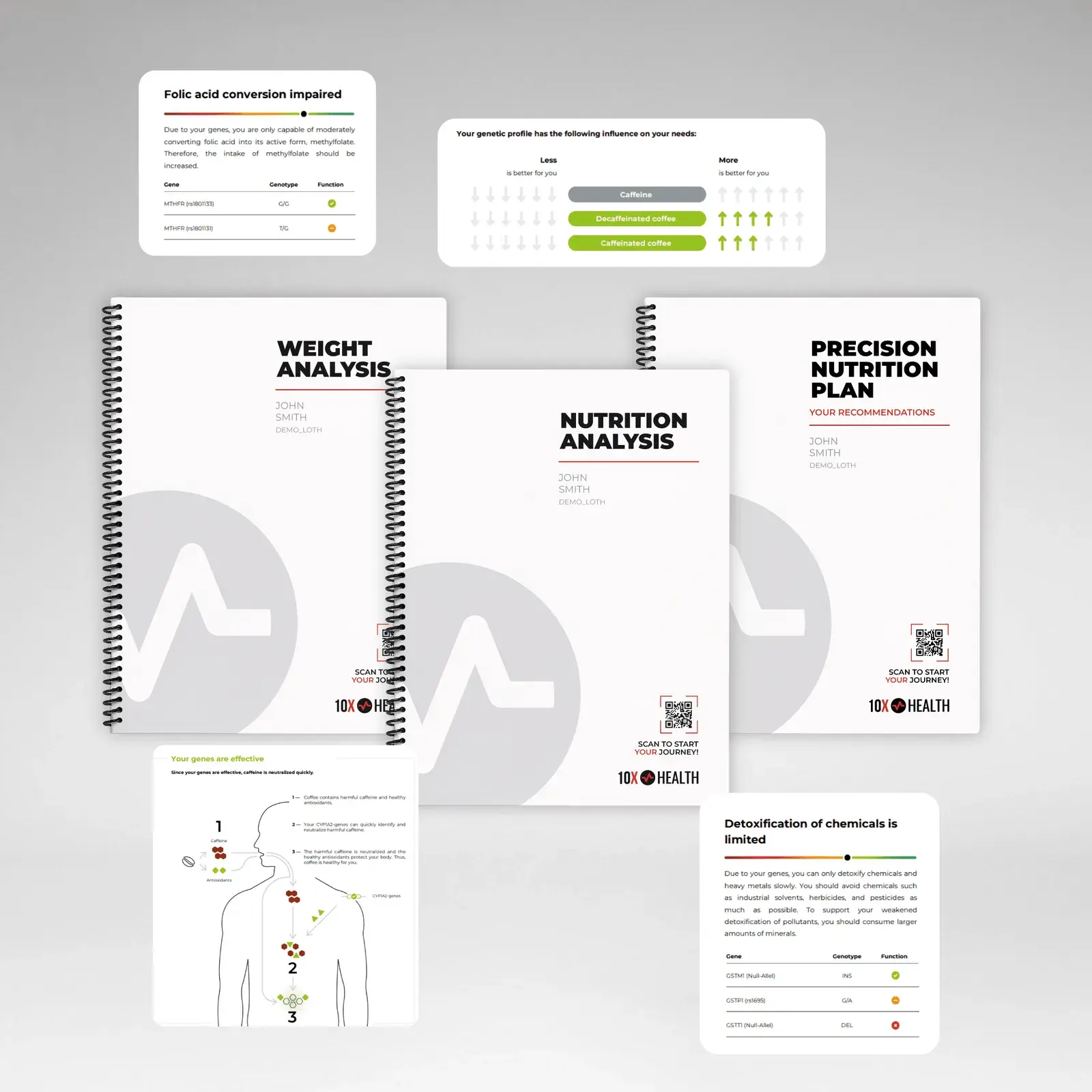
Available throughout Portland, Oregon: order online, collect a sample at home and review results with a qualified professional.
Learn more about at-home wellness genetic testingHealthcare
Preventive care & baseline labs
Primary care clinicians in Multnomah County can order baseline labs — such as a lipid panel, HbA1c, vitamin D and B12 — useful context for any wellness plan.
Learn more about preventive care & baseline labsNutrition
Farmers markets & local food
Portland, Oregon's food scene makes it easier to eat 30+ different plants a week — shop seasonal produce at local farmers markets.
Learn more about farmers markets & local foodRecovery
Sauna & recovery studios
Gyms, spas and recovery studios around Portland, Oregon offer sauna and cold plunge — look for clean facilities and clear safety guidance.
Learn more about sauna & recovery studiosSeasonal playbook
A seasonal wellness playbook for Portland, Oregon
- October–April: get outside in the brightest part of the day and consider a light box for dark mornings.
- Summer: long, dry, mild days are perfect for big hikes and rides — make the most of them.
- Year-round: invest in good rain gear so drizzle never cancels a walk.
- Winter light: with only about 8h 30m of daylight in December, get outside in the morning and keep indoor lighting bright during the day.
Recommended reading
The most relevant guides for Portland, Oregon residents
FAQ
Portland, Oregon wellness FAQs
Do I need to visit a clinic in Portland, Oregon for a wellness genetic test?
How can people in Portland, Oregon stay energized through the gray months?
Can you get enough vitamin D from the sun in Portland, Oregon?
How do seasonal daylight changes in Portland, Oregon affect sleep?
What are good places to exercise outside in Portland, Oregon?
The bottom line
Living well in Portland, Oregon means working with its mild temperatures, gray and rainy winters and dry summers: morning light exposure in winter, vitamin D awareness and winter light and vitamin D awareness. Add the fundamentals — consistent sleep, daily movement, strength training and a whole-food diet — and personalize with the wellness assessment and at-home testing.