Southwest · 4 city guides
Longevity & Wellness Genetics in Arizona
Quick answer
What should Arizonans prioritize for longevity and wellness?
Arizonans benefit from prioritizing hydration and electrolytes in dry heat, serious sun protection, early-morning outdoor activity, cool sleeping environments during hot nights, and strength and balance for active aging. Genetic testing and lab work help personalize nutrition and supplement choices.
City guides
Explore Arizona by city
The desert also demands respect: dry heat can dehydrate you faster than you realize, UV exposure is intense, and summer nights can stay hot enough to disrupt sleep.
Arizona at a glance
- Capital
- Phoenix
- Largest city
- Phoenix
- Region
- Southwest
- Climate
- Hot desert and semi-arid
- Shortest day
- 9h 43m
- Longest day
- 14h 17m
- City guides
- 4
At a glance
Key takeaways
- Top priority for Arizona: aggressive hydration with electrolytes.
- Daylight near the state's center ranges from about 9h 43m to 14h 17m.
- Vitamin D from sunlight is limited roughly late December to January — consider testing.
- Local guides cover Scottsdale, Phoenix, Tucson and Sedona.
Climate & health
How Arizona's climate shapes wellness
The Phoenix metro has a hot desert climate with very hot summers (highs often above 105°F), mild winters and low humidity, plus a summer monsoon season.
- Hydration and electrolytes
- Sun protection and skin checks
- Dawn or indoor training in summer
- Cool bedrooms for summer sleep
- Strength and balance for active aging
Light, sleep & vitamin D
Daylight in Arizona across the year
9h 43m
Shortest day (December)
14h 17m
Longest day (June)
~1 mo
Low-UVB “vitamin D winter”
At about 34.2°N, Arizona sees a 4h 34m swing in day length between the solstices. UVB is weakest in midwinter, but midday sun can still support vitamin D production most of the year. That's roughly late December to January. Bright morning light helps anchor your body clock, and a simple blood test shows whether your vitamin D is where it should be.
Calculated from latitude using standard solar formulas and published latitude research. How we calculate this
Statewide trends
Wellness trends across Arizona
Sunrise hiking
Desert preserves and mountain trails are busiest at dawn, especially in summer.
Wellness resorts & spas
The region is known for resort-style wellness, spas and golf.
Active retirement
Pickleball, golf, hiking and community fitness support healthy aging.
Heat safety awareness
Hydration, electrolytes and heat-illness prevention are part of daily life.
Local health optimization resources
Where to get outdoors in Arizona
- Grand Canyon National Park
- Saguaro National Park
- the red rock country around Sedona
Wherever you live in Arizona, at-home wellness genetic tests and routine labs from a primary care clinician give you the data to personalize the fundamentals. How genetic testing works
Recommended reading
Guides for Arizona residents
FAQ
Arizona wellness FAQs
Is dry heat easier on the body?
Can I do genetic testing from Arizona?
When is the best time to hike in Arizona?
Can you get enough vitamin D from the sun in Arizona?
The bottom line
Staying healthy in Arizona means planning for intense, dry summer heat and mild winters — aggressive hydration with electrolytes, pre-dawn summer training and steady hydration in dry air — on top of the fundamentals: consistent sleep, daily movement, strength training and a whole-food diet.
Nearby state guides
Our partner store
Shop 10X Health
Genetic testing, the 10X Health System and daily supplements — straight from the official 10X Health store. Save 10% through our links.
- Save 10%
 New · Weight & metabolism10X Health Metabolism Genetic Test Shop now (opens 10X Health in a new tab; affiliate link)
- Save 10%
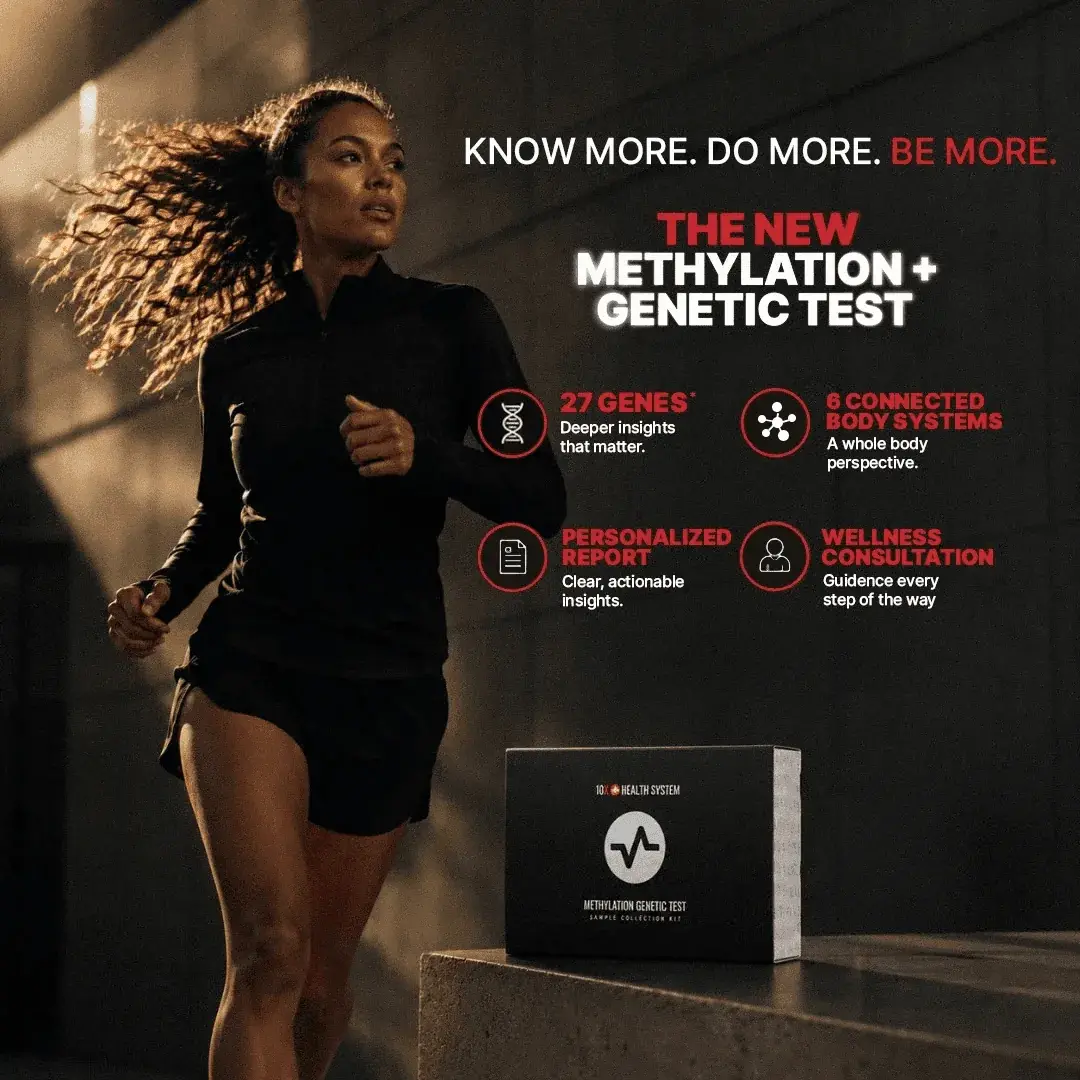 Wellness genetics10X Health Methylation + Genetic Test Shop now (opens 10X Health in a new tab; affiliate link)
- Save 10%
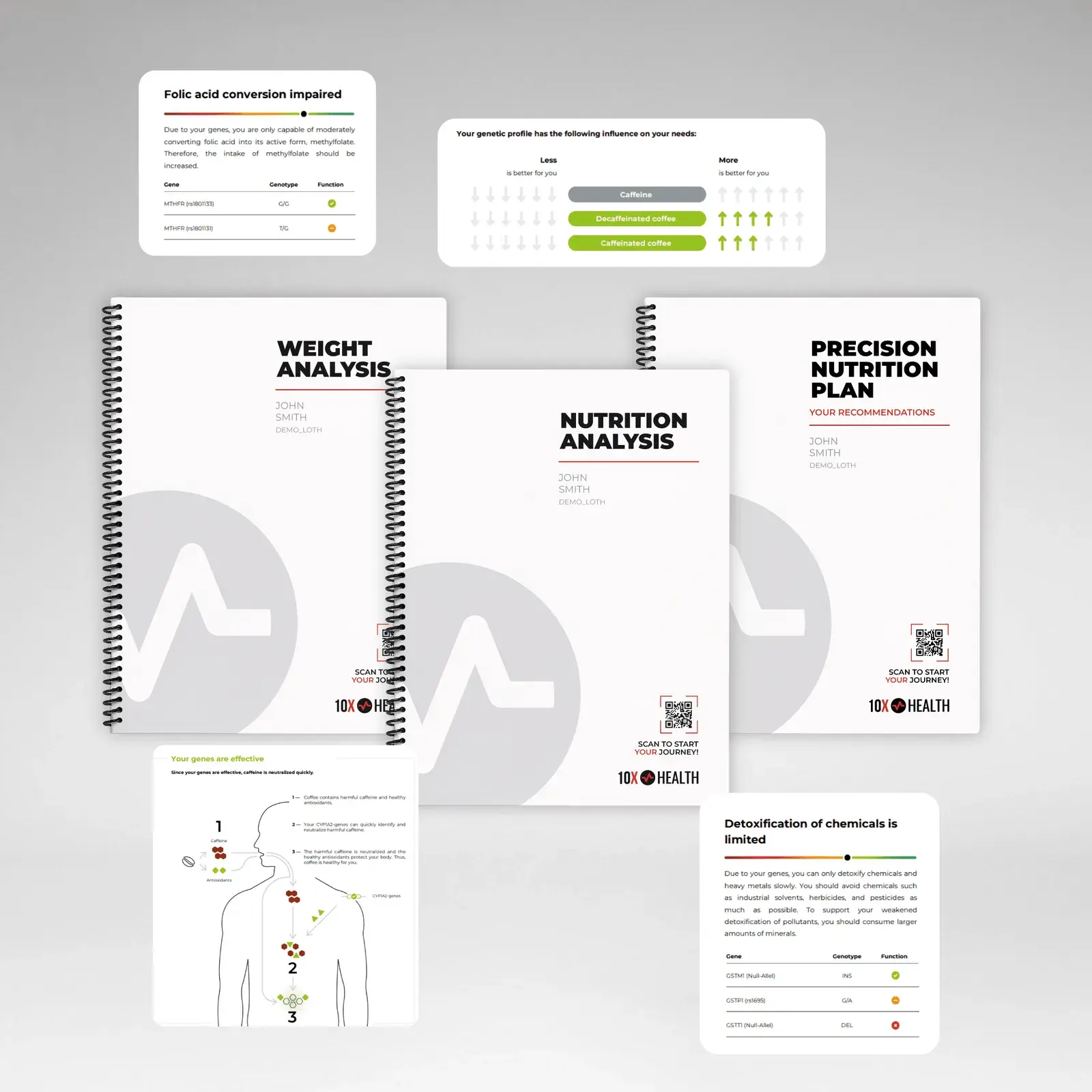 Personalized approachThe 10X Health System Shop now (opens 10X Health in a new tab; affiliate link)
- Save 10%
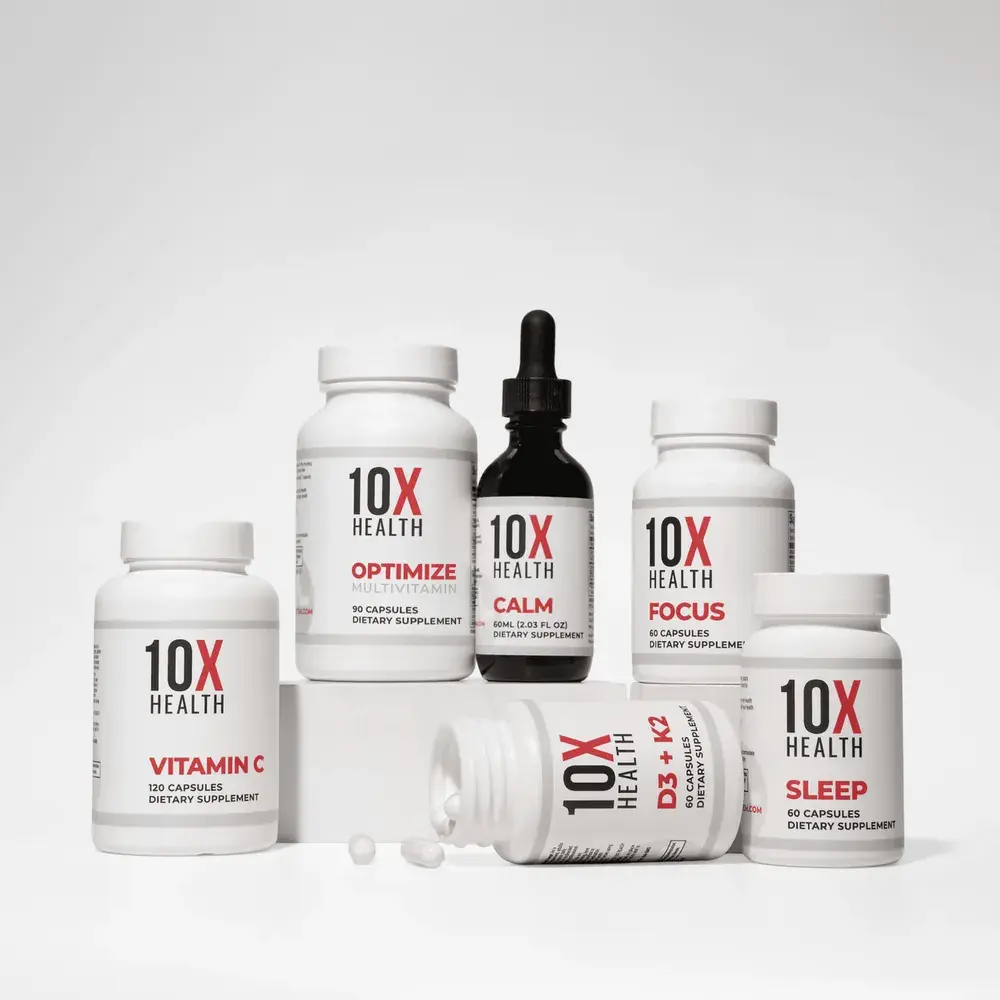 Daily foundations10X Health Foundations Shop now (opens 10X Health in a new tab; affiliate link)
Affiliate disclosure: Live10X is an independent educational site. If you purchase through our 10X Health links, we may earn a commission at no extra cost to you. It never changes what we write. Read our affiliate disclosure.
See everything we coverThese statements have not been evaluated by the Food and Drug Administration. These products are not intended to diagnose, treat, cure, or prevent any disease.
Stop guessing. Start with data — and a plan.
Take the free wellness assessment to find your highest-leverage focus areas, then explore genetic testing when you're ready to personalize further.
“Shop 10X Health” is an affiliate link — we may earn a commission at no extra cost to you. Affiliate disclosure