Midwest · 2 city guides
Longevity & Wellness in Wisconsin
Quick answer
What should people in Wisconsin prioritize for longevity and wellness?
Wisconsin's humid continental climate — warm summers and cold, snowy winters — and its Great Lakes shoreline, lakes and forests shape the priorities: a winter movement plan, morning light and vitamin D awareness and winter light and vitamin D awareness. Pair them with the fundamentals — sleep, daily movement, strength training and a whole-food diet — and use at-home wellness genetic testing to personalize nutrition and training.
Wisconsin is known for a major university presence, a strong cycling community and a strong food culture. Near its center (about 44.6°N), the shortest day brings roughly 8h 37m of daylight and the longest about 15h 23m. At this latitude, winter sunlight is too weak for meaningful vitamin D production for roughly four months.
Wisconsin at a glance
- Capital
- Madison
- Largest city
- Milwaukee
- Region
- Midwest
- Climate
- Humid continental
- Shortest day
- 8h 37m
- Longest day
- 15h 23m
- City guides
- 2
At a glance
Key takeaways
- Top priority for Wisconsin: a winter movement plan.
- Daylight near the state's center ranges from about 8h 37m to 15h 23m.
- Vitamin D from sunlight is limited roughly November through February — consider testing.
- Local guides cover Madison and Milwaukee.
Climate & health
How Wisconsin's climate shapes wellness
Much of Wisconsin has a humid continental climate — four distinct seasons, with warm to hot summers and cold winters that bring snow and short days. Seasonal shifts in light and temperature affect sleep, mood, activity and vitamin D, so a winter plan matters as much as a summer one.
- a winter movement plan
- morning light and vitamin D awareness
- winter light and vitamin D awareness
- consistent sleep through seasonal shifts
- heat-smart training on humid summer days
Light, sleep & vitamin D
Daylight in Wisconsin across the year
8h 37m
Shortest day (December)
15h 23m
Longest day (June)
~4 mo
Low-UVB “vitamin D winter”
At about 44.6°N, Wisconsin sees a 6h 45m swing in day length between the solstices. At this latitude, winter sunlight is too weak for meaningful vitamin D production for roughly four months. That's roughly November through February. Bright morning light helps anchor your body clock, and a simple blood test shows whether your vitamin D is where it should be.
Calculated from latitude using standard solar formulas and published latitude research. How we calculate this
Statewide trends
Wellness trends across Wisconsin
Winter wellness
Long winters in Wisconsin have made indoor training, saunas and morning-light routines part of the local playbook.
Campus-driven fitness
A large student and faculty population keeps Wisconsin's gyms, run clubs and rec fields busy, and campus events bring health research to the public.
Cycling culture
Bike lanes, greenways and group rides make cycling a practical way to build daily activity in Wisconsin.
Lakefront fitness
Miles of lakefront path give Wisconsin flat, scenic routes for running, cycling and walking in the warmer months.
Local health optimization resources
Where to get outdoors in Wisconsin
- Door County
- Devil's Lake State Park
- the Elroy-Sparta State Trail
Wherever you live in Wisconsin, at-home wellness genetic tests and routine labs from a primary care clinician give you the data to personalize the fundamentals. How genetic testing works
Recommended reading
Guides for Wisconsin residents
FAQ
Wisconsin wellness FAQs
Can I take a wellness genetic test in Wisconsin?
How do you stay active through Wisconsin's winters?
Can you get enough vitamin D from the sun in Wisconsin?
Which Wisconsin cities have Live10X wellness guides?
Where are the best places to get outdoors in Wisconsin?
The bottom line
Staying healthy in Wisconsin means planning for warm summers and cold, snowy winters — a winter movement plan, morning light and vitamin D awareness and winter light and vitamin D awareness — on top of the fundamentals: consistent sleep, daily movement, strength training and a whole-food diet.
Nearby state guides
Our partner store
Shop 10X Health
Genetic testing, the 10X Health System and daily supplements — straight from the official 10X Health store. Save 10% through our links.
- Save 10%
 New · Weight & metabolism10X Health Metabolism Genetic Test Shop now (opens 10X Health in a new tab; affiliate link)
- Save 10%
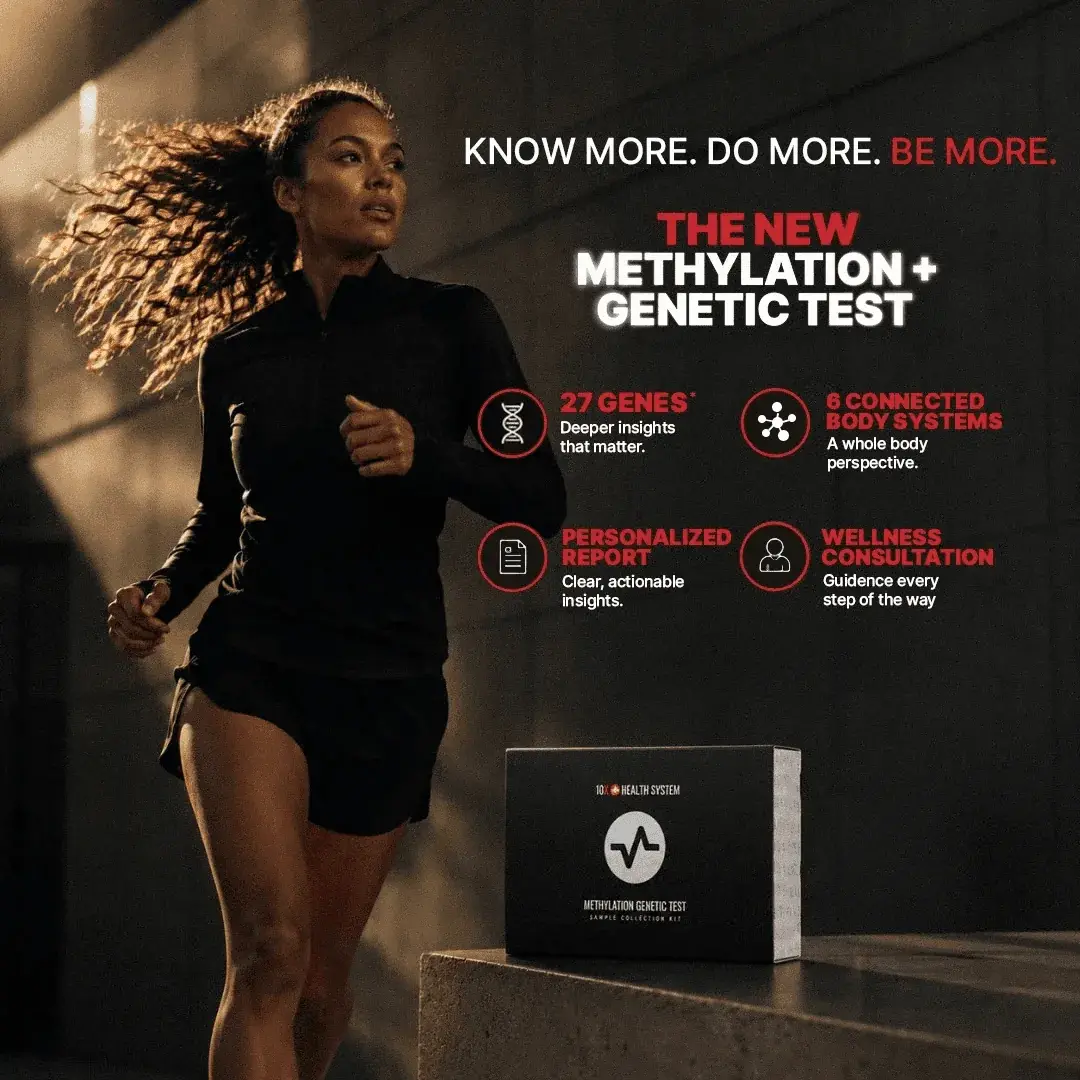 Wellness genetics10X Health Methylation + Genetic Test Shop now (opens 10X Health in a new tab; affiliate link)
- Save 10%
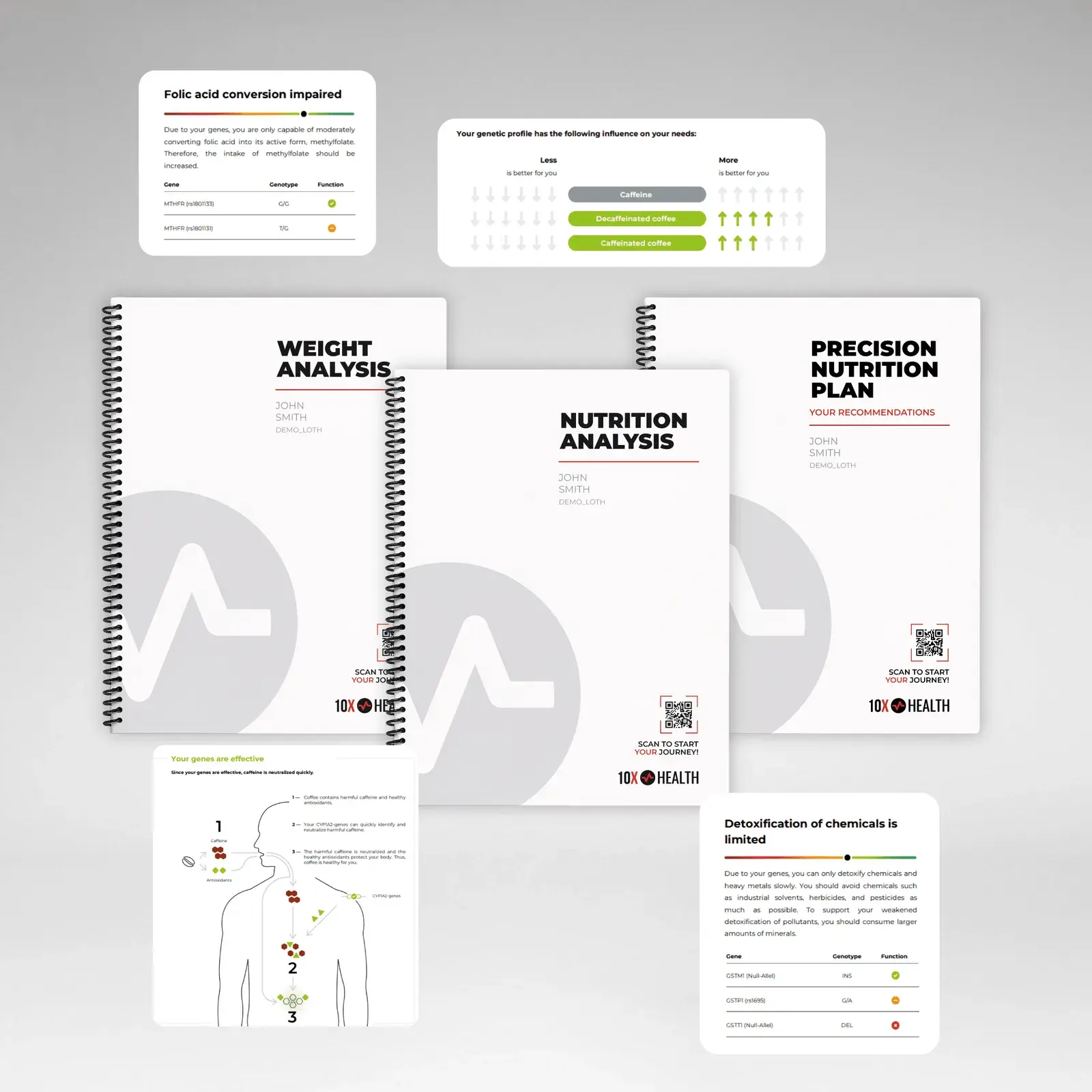 Personalized approachThe 10X Health System Shop now (opens 10X Health in a new tab; affiliate link)
- Save 10%
 Daily foundations10X Health Foundations Shop now (opens 10X Health in a new tab; affiliate link)
Affiliate disclosure: Live10X is an independent educational site. If you purchase through our 10X Health links, we may earn a commission at no extra cost to you. It never changes what we write. Read our affiliate disclosure.
See everything we coverThese statements have not been evaluated by the Food and Drug Administration. These products are not intended to diagnose, treat, cure, or prevent any disease.
Stop guessing. Start with data — and a plan.
Take the free wellness assessment to find your highest-leverage focus areas, then explore genetic testing when you're ready to personalize further.
“Shop 10X Health” is an affiliate link — we may earn a commission at no extra cost to you. Affiliate disclosure