Biohacking · Answer
How long does it take to form a habit?
Quick answer
How long does it take to form a habit?
It takes about two months on average to form a habit, not 21 days. In a well-known study, people took a median of 66 days for a new daily behavior to reach peak automaticity, with a range of 18 to 254 days. Missing a single day didn't derail progress. Simple behaviors tied to consistent cues form fastest.
At a glance
Key takeaways
- The median time to form a habit was 66 days in a key study.
- The range was huge: 18 to 254 days.
- Missing one day didn't meaningfully affect habit formation.
- Linking a small action to a consistent cue speeds automaticity.
The idea that a habit takes 21 days is everywhere. The research tells a different — and more encouraging — story.
What the research shows
In a 2010 study published in the European Journal of Social Psychology, 96 volunteers picked a new daily eating, drinking or activity behavior to perform in the same context, such as after breakfast. They rated how automatic it felt each day for 12 weeks.
- The median time to reach peak automaticity was 66 days.
- The range was 18 to 254 days.
- Simpler behaviors (like drinking water) became automatic faster than complex ones (like doing 50 sit-ups).
- Missing one day didn't meaningfully set people back.
How habits form
A 2012 paper in the British Journal of General Practice summarized the psychology: repeating an action in a consistent context builds an association between the cue and the behavior. Over time, the cue triggers the behavior with less conscious effort.
How to build a habit that sticks
- Start tiny: a 5-minute walk beats an ambitious plan you'll abandon.
- Pick a cue: attach the habit to something you already do — after morning coffee, after brushing teeth.
- Keep the context consistent: same time, same place.
- Don't chase perfection: missing a day is normal. Just restart the next day.
- Expect a couple of months: judge progress at 8–10 weeks, not 3.
Choosing which habits to build
Not sure where to start? The wellness quiz can help you find your focus area. For evidence-based habits linked to healthy aging, see our longevity habits guide, and for practical systems, visit our optimization habits guide.
People also ask
More questions people ask
Where did the 21-day myth come from?
What is habit stacking?
Why do some habits take longer?
Answers
More answers
Citations
Sources & references
- [1]How are habits formed: Modelling habit formation in the real worldLally P, van Jaarsveld CHM, Potts HWW, Wardle J. European Journal of Social Psychology, 2010 · Cohort studyView source : How are habits formed: Modelling habit formation in the real world (opens in a new tab)
- [2]Making health habitual: the psychology of 'habit-formation' and general practiceGardner B, Lally P, Wardle J. British Journal of General Practice, 2012 · ReviewView source : Making health habitual: the psychology of 'habit-formation' and general practice (opens in a new tab)
Study links open a PubMed search for the exact title, so they keep working even if a journal changes its URL.
Related guides
Go deeper
Our partner store
Shop 10X Health
Genetic testing, the 10X Health System and daily supplements — straight from the official 10X Health store. Save 10% through our links.
- Save 10%
 New · Weight & metabolism10X Health Metabolism Genetic Test Shop now (opens 10X Health in a new tab; affiliate link)
- Save 10%
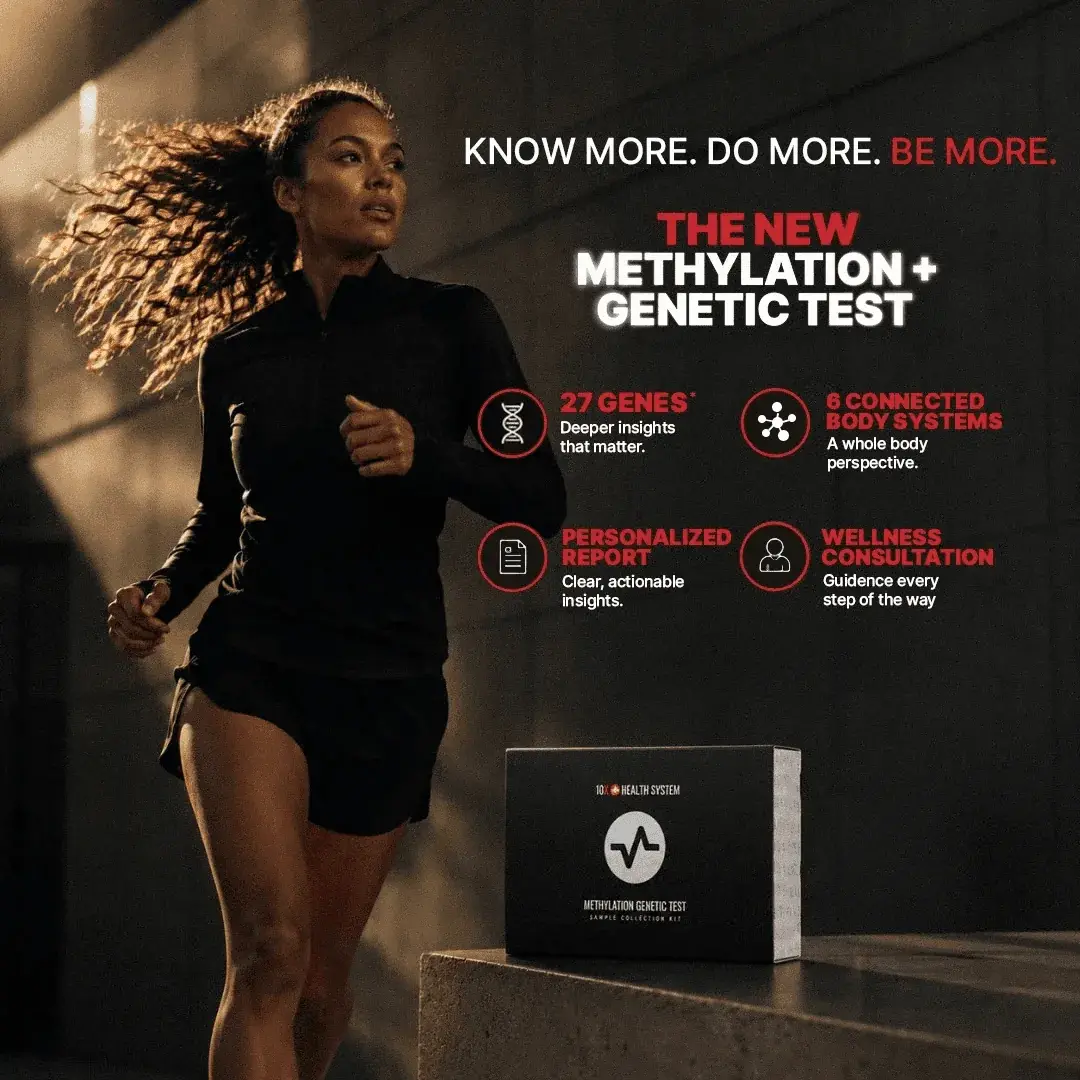 Wellness genetics10X Health Methylation + Genetic Test Shop now (opens 10X Health in a new tab; affiliate link)
- Save 10%
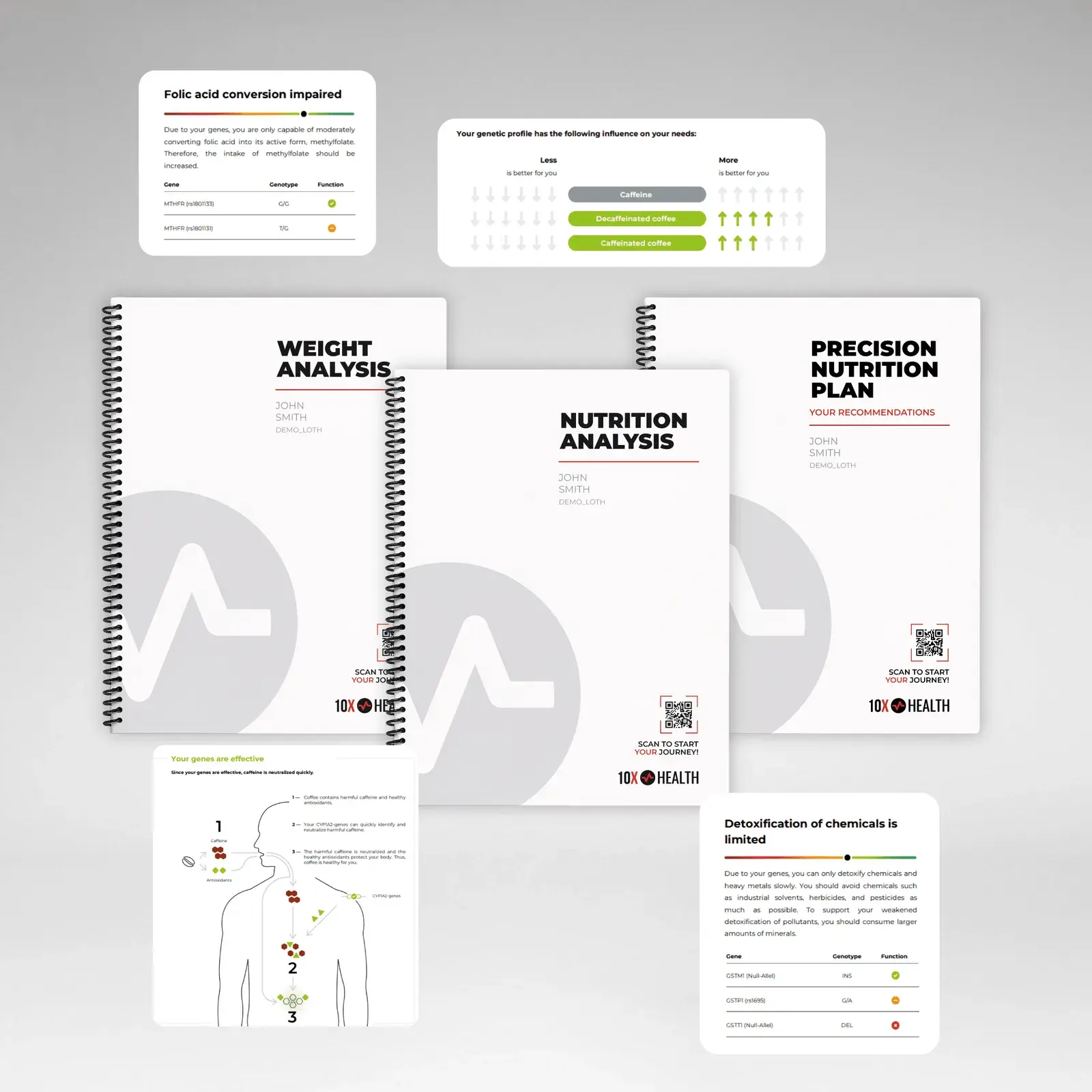 Personalized approachThe 10X Health System Shop now (opens 10X Health in a new tab; affiliate link)
- Save 10%
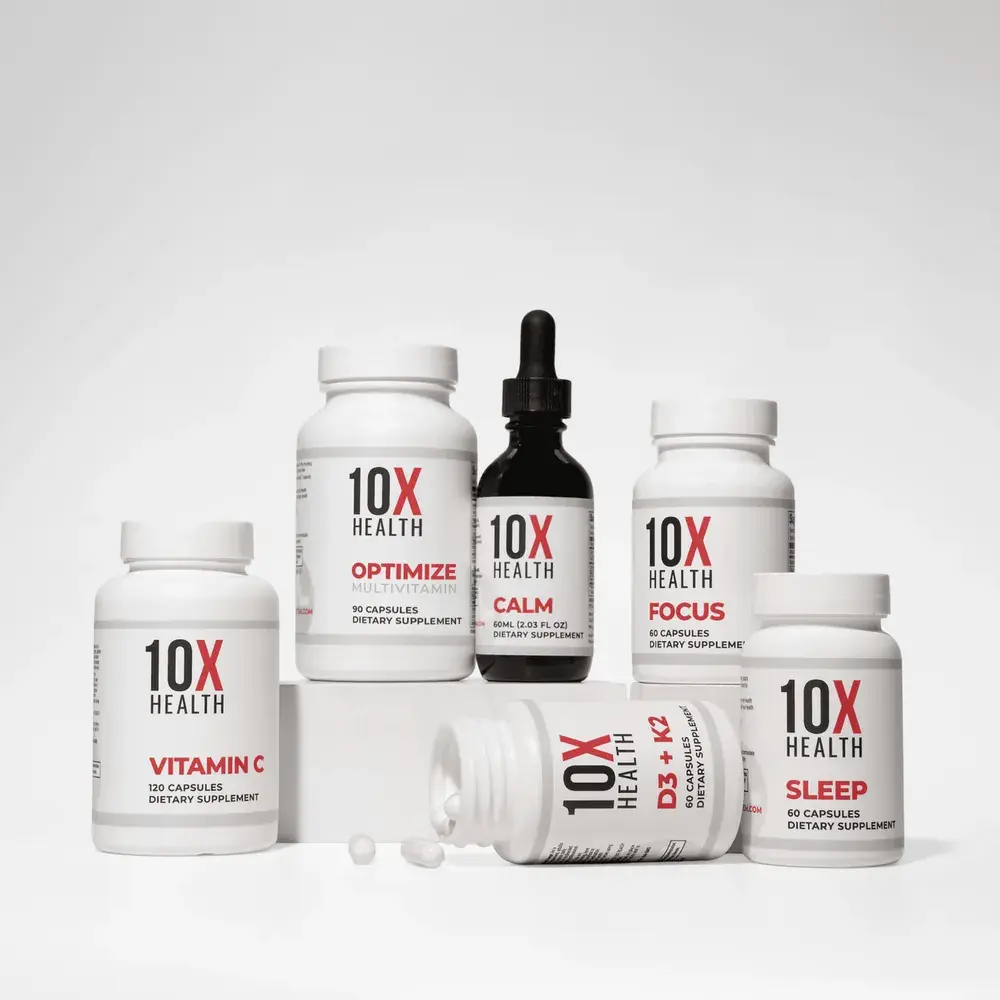 Daily foundations10X Health Foundations Shop now (opens 10X Health in a new tab; affiliate link)
Affiliate disclosure: Live10X is an independent educational site. If you purchase through our 10X Health links, we may earn a commission at no extra cost to you. It never changes what we write. Read our affiliate disclosure.
See everything we coverThese statements have not been evaluated by the Food and Drug Administration. These products are not intended to diagnose, treat, cure, or prevent any disease.
Stop guessing. Start with data — and a plan.
Take the free wellness assessment to find your highest-leverage focus areas, then explore genetic testing when you're ready to personalize further.
“Shop 10X Health” is an affiliate link — we may earn a commission at no extra cost to you. Affiliate disclosure