Longevity · Answer
How much fiber do you need for gut health?
Quick answer
How much fiber do you need for gut health?
Most adults need about 25–34 grams of fiber a day, depending on age and sex — roughly 14 grams per 1,000 calories. A major review found people eating 25–29 grams daily had lower rates of heart disease, stroke, type 2 diabetes and colorectal cancer than those eating less, and higher intakes looked even better. Most Americans eat far less.
At a glance
Key takeaways
- The Dietary Guidelines recommend about 14 g of fiber per 1,000 calories.
- Eating 25–29 g of fiber a day was linked to lower risk of several chronic diseases.
- Most US adults get only about 15 g a day.
- Increase fiber gradually and drink enough water to limit bloating.
Fiber is the most underrated nutrient for gut health — and most people don't get nearly enough.
How much you need
The Dietary Guidelines for Americans recommend about 14 grams of fiber per 1,000 calories. That translates roughly to:
- Women: about 22–28 g a day, depending on age.
- Men: about 28–34 g a day, depending on age.
Yet surveys suggest most American adults eat only around 15 grams a day.
What the research shows
A 2019 review in The Lancet, commissioned by the World Health Organization, pooled data from 185 prospective studies and 58 clinical trials. People eating 25–29 grams of fiber daily had a 15–30% lower risk of all-cause mortality, coronary heart disease, stroke, type 2 diabetes and colorectal cancer compared with those eating the least. The data suggested that higher intakes could bring even greater benefits.
Why fiber matters for your gut
Many fibers aren't digested in the small intestine. Instead, bacteria in your colon ferment them, producing short-chain fatty acids such as butyrate, which help fuel colon cells and support a healthy gut lining. A varied, fiber-rich diet supports a diverse microbiome.
Easy ways to add fiber
- Add beans or lentils to soups, salads and bowls.
- Choose oats or whole-grain bread at breakfast.
- Snack on fruit, nuts and seeds.
- Fill half your plate with vegetables.
- Sprinkle chia or ground flaxseed on yogurt.
Go slowly
Increasing fiber too fast can cause gas and bloating. Add a few grams every few days and drink plenty of water.
Wondering about supplements too? Read are probiotics worth taking.
People also ask
More questions people ask
What are the best high-fiber foods?
Is a fiber supplement as good as food?
Why does fiber help the gut microbiome?
Answers
More answers
Citations
Sources & references
- [1]Carbohydrate quality and human health: a series of systematic reviews and meta-analysesReynolds A, Mann J, Cummings J, et al.. The Lancet, 2019 · Meta-analysisView source : Carbohydrate quality and human health: a series of systematic reviews and meta-analyses (opens in a new tab)
- [2]Dietary Guidelines for AmericansU.S. Department of Agriculture and U.S. Department of Health and Human Services · Government resourceView source : Dietary Guidelines for Americans (opens in a new tab)
Study links open a PubMed search for the exact title, so they keep working even if a journal changes its URL.
Related guides
Go deeper
Our partner store
Shop 10X Health
Genetic testing, the 10X Health System and daily supplements — straight from the official 10X Health store. Save 10% through our links.
- Save 10%
 New · Weight & metabolism10X Health Metabolism Genetic Test Shop now (opens 10X Health in a new tab; affiliate link)
- Save 10%
 Wellness genetics10X Health Methylation + Genetic Test Shop now (opens 10X Health in a new tab; affiliate link)
- Save 10%
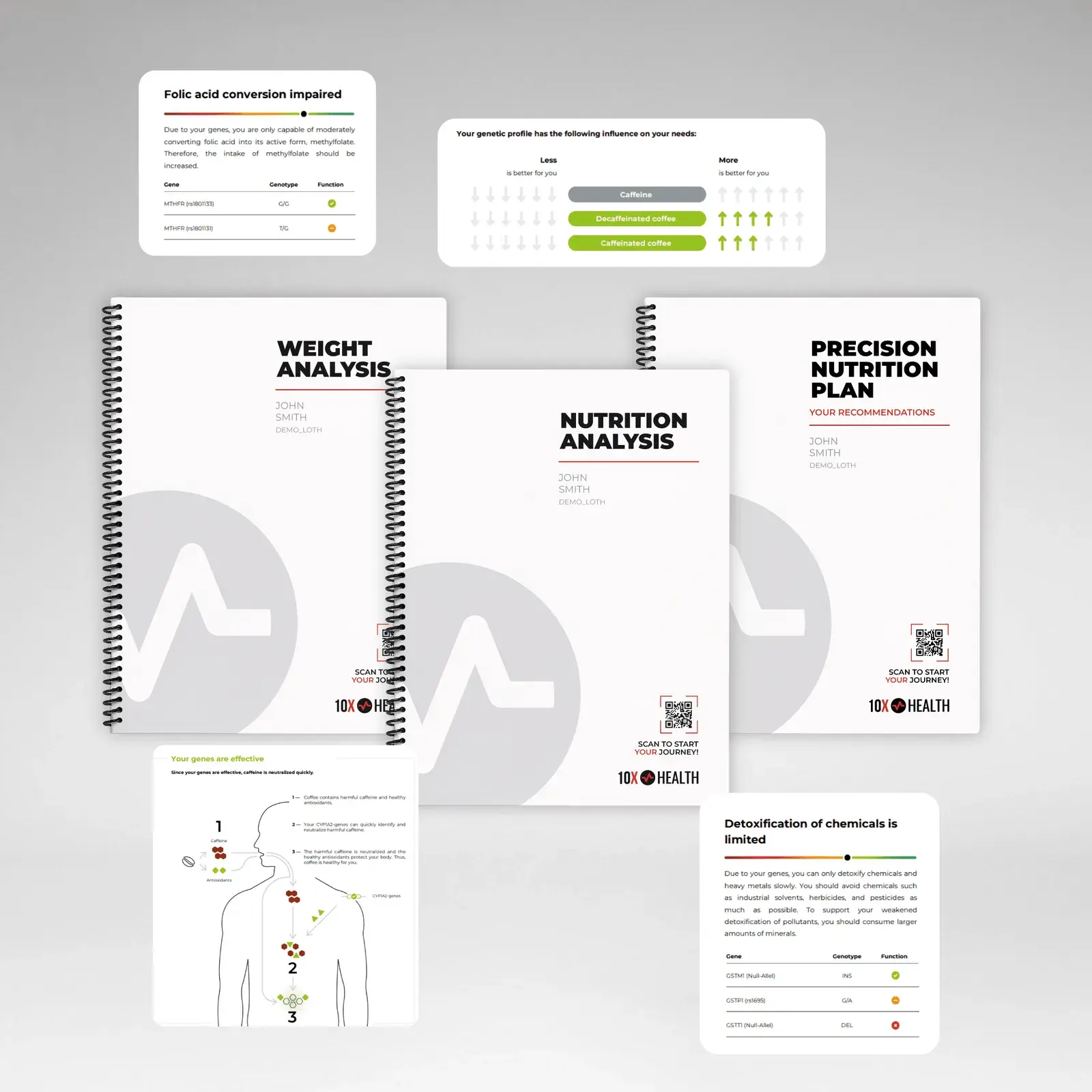 Personalized approachThe 10X Health System Shop now (opens 10X Health in a new tab; affiliate link)
- Save 10%
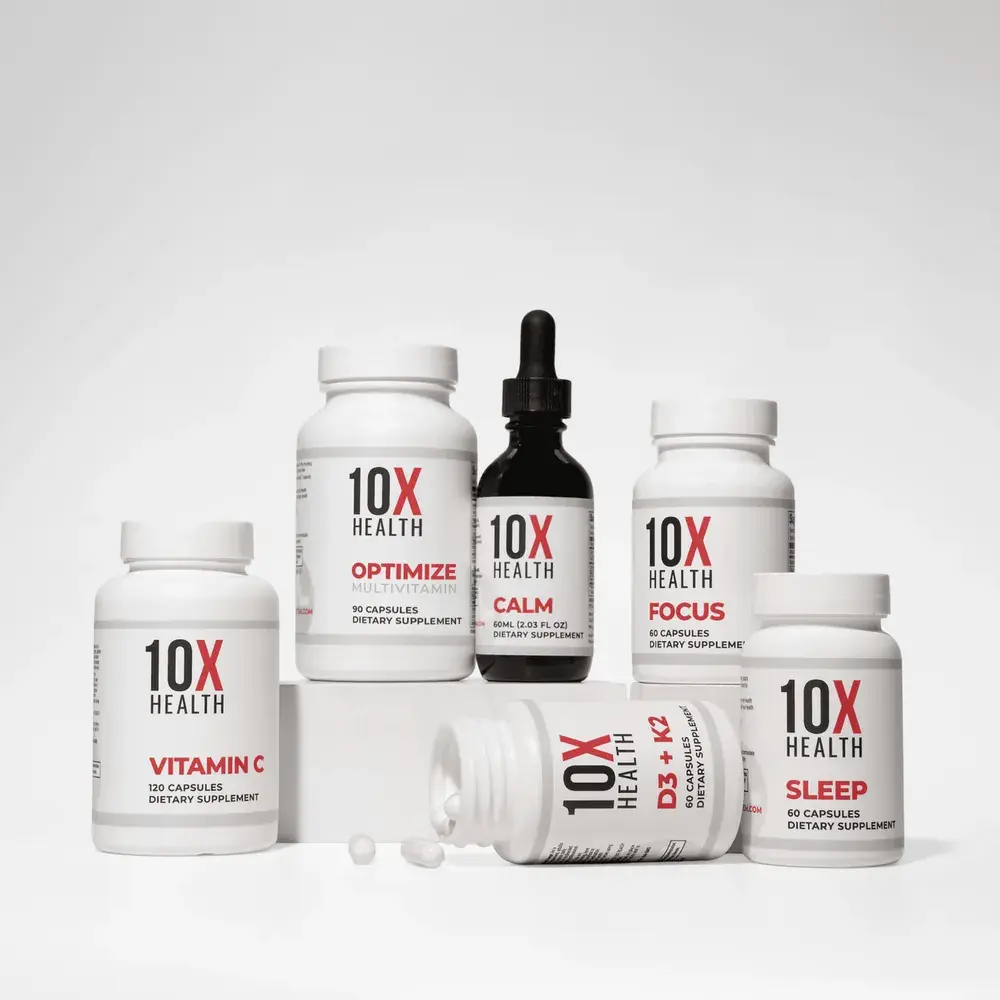 Daily foundations10X Health Foundations Shop now (opens 10X Health in a new tab; affiliate link)
Affiliate disclosure: Live10X is an independent educational site. If you purchase through our 10X Health links, we may earn a commission at no extra cost to you. It never changes what we write. Read our affiliate disclosure.
See everything we coverThese statements have not been evaluated by the Food and Drug Administration. These products are not intended to diagnose, treat, cure, or prevent any disease.
Stop guessing. Start with data — and a plan.
Take the free wellness assessment to find your highest-leverage focus areas, then explore genetic testing when you're ready to personalize further.
“Shop 10X Health” is an affiliate link — we may earn a commission at no extra cost to you. Affiliate disclosure