Performance · Answer
What is zone 2 training?
Quick answer
What is zone 2 training?
Zone 2 training is steady, low-intensity cardio done at a pace where you can still hold a conversation — roughly 60–70% of your maximum heart rate for many people. It builds aerobic fitness and endurance with little recovery cost. Cardiorespiratory fitness is one of the strongest predictors of longevity, and zone 2 is an accessible way to build it.
At a glance
Key takeaways
- Zone 2 is easy, conversational-pace aerobic exercise.
- For many people it falls around 60–70% of maximum heart rate, but the talk test is simpler.
- Higher cardiorespiratory fitness is strongly associated with lower mortality.
- Combine zone 2 with some harder intervals and strength training for a complete plan.
"Zone 2" has become one of the most talked-about ideas in longevity fitness. The concept is simple: spend meaningful time exercising at an easy, sustainable intensity.
How do you find your zone 2?
Training zones divide effort from very easy to maximal. Zone 2 is the second-easiest — sustained, comfortable effort. Three practical ways to find it:
- Talk test: you can speak in full sentences, but you'd rather not sing.
- Heart rate: roughly 60–70% of your maximum heart rate for many people (maximum varies widely, so treat formulas as estimates).
- Perceived effort: about 3–4 out of 10.
Why it matters for longevity
In a large study of more than 120,000 adults who completed treadmill tests, higher cardiorespiratory fitness was associated with lower long-term mortality — with no upper limit of benefit observed. Easy aerobic training is the foundation of that fitness — and fitness is one of the habits most tied to a younger biological age, and it's gentle enough to do often without wrecking recovery.
The specific claims about zone 2 — for example, that it's uniquely best for mitochondria or fat-burning — are less proven than the broad benefits of aerobic exercise. The big win is simply doing consistent, sustainable cardio.
How much should you do?
The Physical Activity Guidelines for Americans recommend 150–300 minutes a week of moderate activity plus two days of strength training. A practical plan:
- 2–4 zone 2 sessions of 30–60 minutes (brisk walks count)
- 1 shorter session with harder intervals if you're healthy and experienced
- 2 strength sessions
Build a complete plan with our performance guide, and balance it with good recovery.
People also ask
More questions people ask
How much zone 2 training should I do?
What counts as zone 2 exercise?
Is zone 2 better than high-intensity training?
Answers
More answers
Citations
Sources & references
- [1]Association of cardiorespiratory fitness with long-term mortality among adults undergoing exercise treadmill testingMandsager K, Harb S, Cremer P, et al.. JAMA Network Open, 2018 · Cohort studyView source : Association of cardiorespiratory fitness with long-term mortality among adults undergoing exercise treadmill testing (opens in a new tab)
- [2]The Physical Activity Guidelines for AmericansPiercy KL, Troiano RP, Ballard RM, et al.. JAMA, 2018 · Practice guidelineView source : The Physical Activity Guidelines for Americans (opens in a new tab)
Study links open a PubMed search for the exact title, so they keep working even if a journal changes its URL.
Related guides
Go deeper
Our partner store
Shop 10X Health
Genetic testing, the 10X Health System and daily supplements — straight from the official 10X Health store. Save 10% through our links.
- Save 10%
 New · Weight & metabolism10X Health Metabolism Genetic Test Shop now (opens 10X Health in a new tab; affiliate link)
- Save 10%
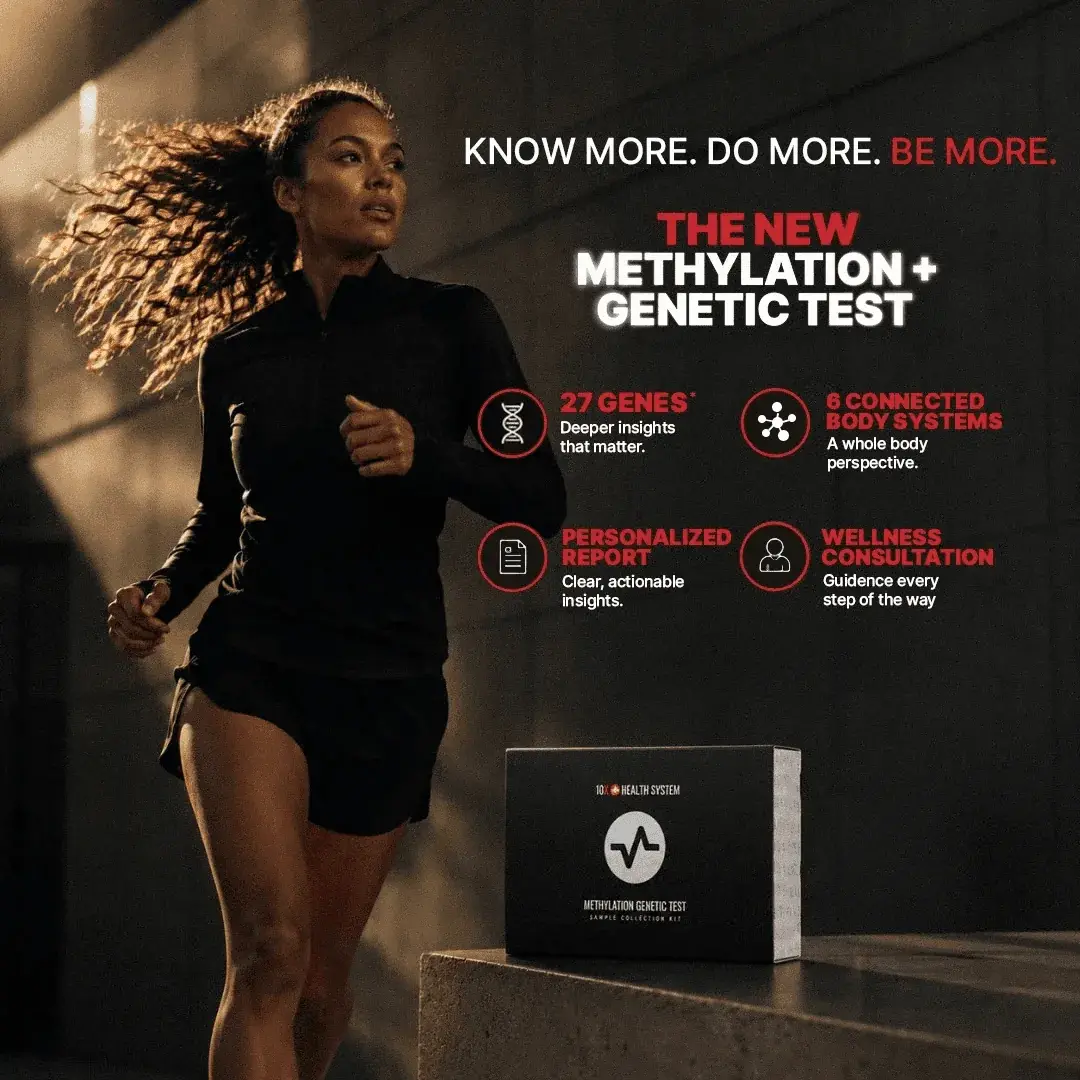 Wellness genetics10X Health Methylation + Genetic Test Shop now (opens 10X Health in a new tab; affiliate link)
- Save 10%
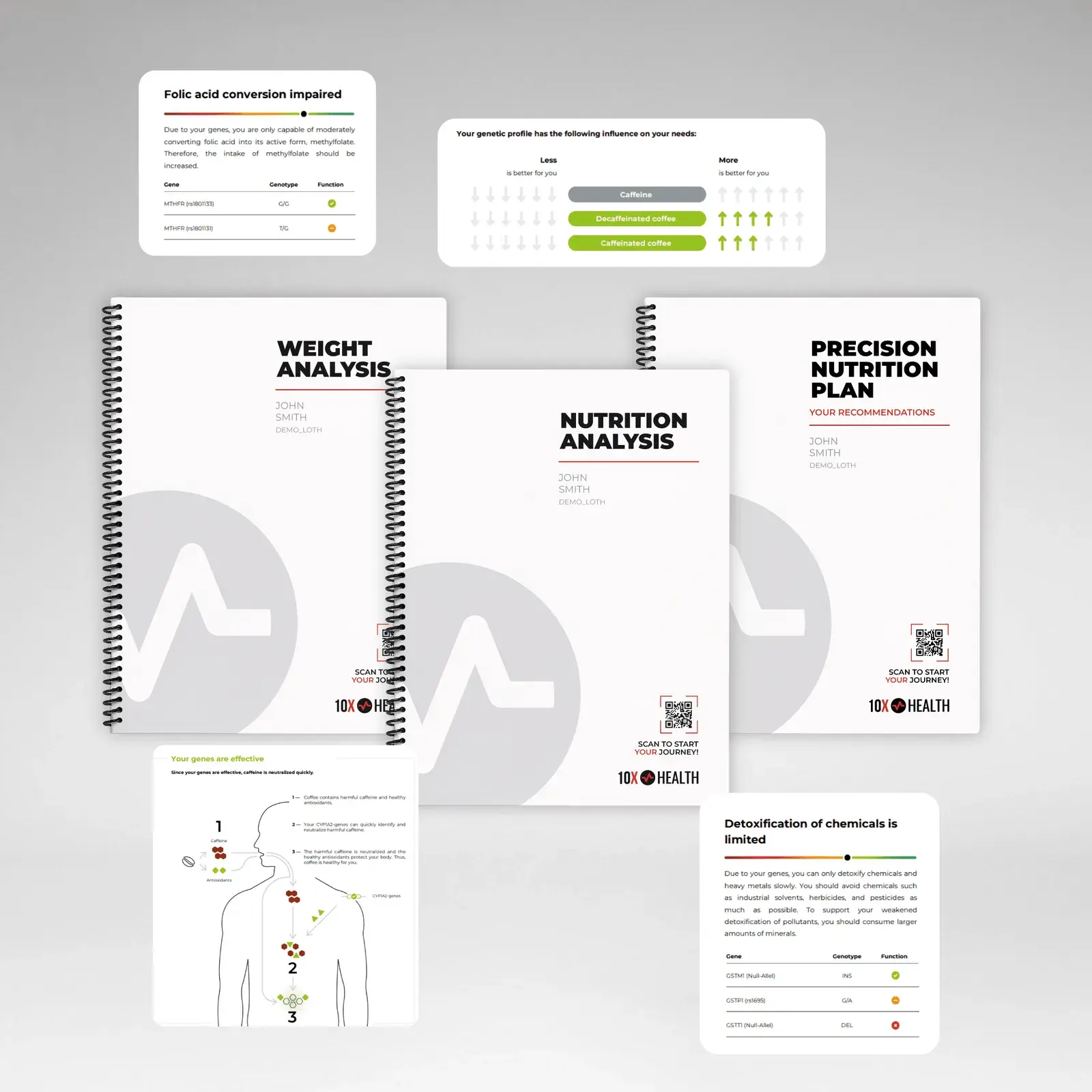 Personalized approachThe 10X Health System Shop now (opens 10X Health in a new tab; affiliate link)
- Save 10%
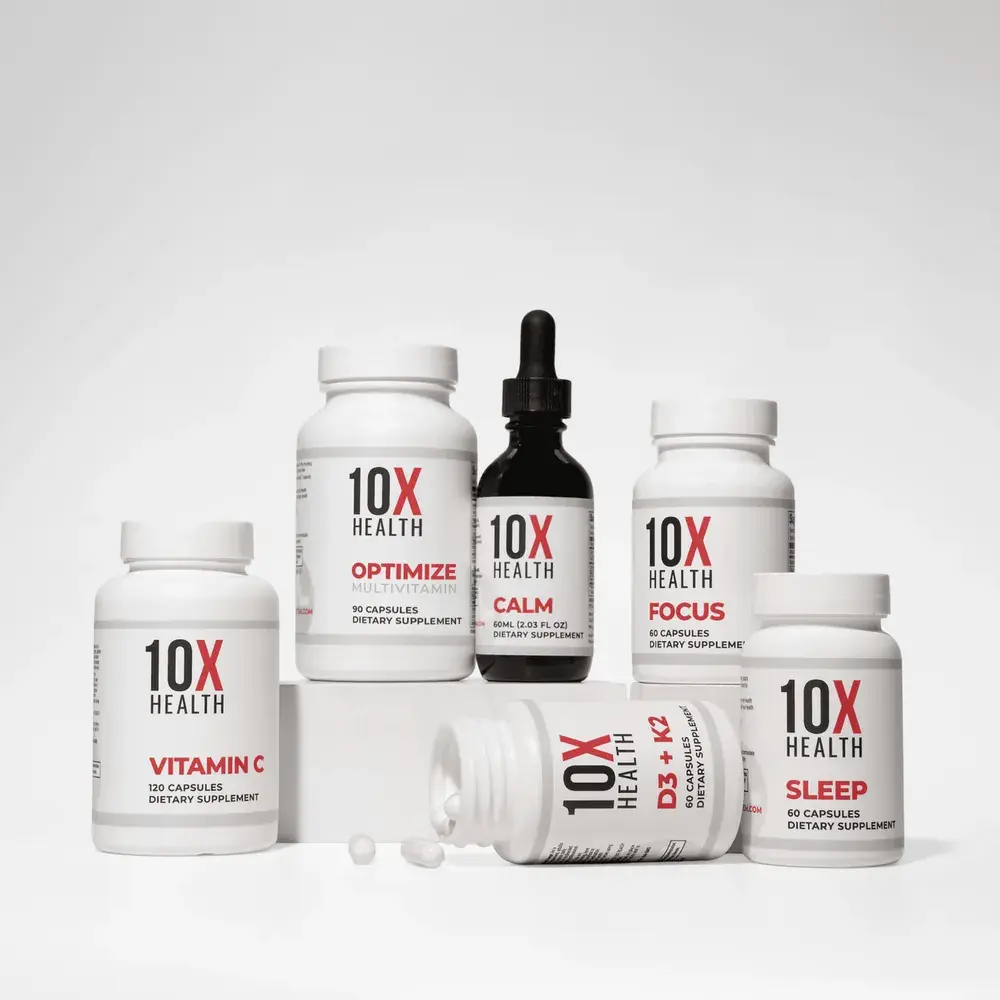 Daily foundations10X Health Foundations Shop now (opens 10X Health in a new tab; affiliate link)
Affiliate disclosure: Live10X is an independent educational site. If you purchase through our 10X Health links, we may earn a commission at no extra cost to you. It never changes what we write. Read our affiliate disclosure.
See everything we coverThese statements have not been evaluated by the Food and Drug Administration. These products are not intended to diagnose, treat, cure, or prevent any disease.
Stop guessing. Start with data — and a plan.
Take the free wellness assessment to find your highest-leverage focus areas, then explore genetic testing when you're ready to personalize further.
“Shop 10X Health” is an affiliate link — we may earn a commission at no extra cost to you. Affiliate disclosure