Performance · Answer
How can men support healthy testosterone levels?
Quick answer
How can men support healthy testosterone levels?
Men can support healthy testosterone with the fundamentals: enough sleep, a healthy body weight, regular strength training, limited alcohol and good stress management. In one study, a week of sleeping five hours a night lowered daytime testosterone by 10–15% in young men. Weight loss in men with obesity is also associated with higher testosterone.
At a glance
Key takeaways
- One week of 5-hour nights lowered daytime testosterone by 10–15% in young men.
- Weight loss in men with obesity is associated with higher testosterone.
- Strength training, limiting alcohol and managing stress support healthy hormones.
- Low testosterone should be diagnosed with repeated morning blood tests and symptoms.
Testosterone gradually declines with age, but lifestyle has a surprisingly large influence on where your levels sit.
1. Prioritize sleep
In a study published in JAMA, healthy young men who slept five hours a night for one week saw their daytime testosterone drop by about 10–15% — a change comparable to many years of aging. Consistent 7+ hour nights are one of the most powerful levers. See how much sleep adults need.
2. Maintain a healthy body weight
Excess body fat, especially around the abdomen, is associated with lower testosterone. A meta-analysis found that weight loss — through diet or surgery — was associated with increases in testosterone in men with obesity, with larger weight loss linked to larger increases.
3. Lift weights
Resistance training supports muscle mass and metabolic health, both tied to healthy hormone levels. Aim for two to three sessions a week — see strength training after 40.
4. Limit alcohol
Heavy drinking is associated with lower testosterone and poorer sleep.
5. Manage stress
Chronic stress and elevated cortisol can suppress the reproductive hormone axis. Regular recovery practices help.
6. Eat enough
Very low calorie intake and very low fat diets can lower testosterone. Aim for balanced meals with enough protein, healthy fats and micronutrients such as zinc and vitamin D.
When to get tested
The Endocrine Society guideline recommends diagnosing low testosterone only with consistent symptoms plus low morning testosterone on at least two separate tests. If you have symptoms, talk with a clinician rather than self-treating.
Learn more in our hormone optimization guide.
People also ask
More questions people ask
What are symptoms of low testosterone?
Do testosterone boosters work?
When should testosterone be tested?
Answers
More answers
Citations
Sources & references
- [1]Effect of 1 week of sleep restriction on testosterone levels in young healthy menLeproult R, Van Cauter E. JAMA, 2011 · Laboratory studyView source : Effect of 1 week of sleep restriction on testosterone levels in young healthy men (opens in a new tab)
- [2]Testosterone Therapy in Men With Hypogonadism: An Endocrine Society Clinical Practice GuidelineBhasin S, Brito JP, Cunningham GR, et al.. Journal of Clinical Endocrinology & Metabolism, 2018 · Practice guidelineView source : Testosterone Therapy in Men With Hypogonadism: An Endocrine Society Clinical Practice Guideline (opens in a new tab)
- [3]Body weight loss reverts obesity-associated hypogonadotropic hypogonadism: a systematic review and meta-analysisCorona G, Rastrelli G, Monami M, et al.. European Journal of Endocrinology, 2013 · Meta-analysisView source : Body weight loss reverts obesity-associated hypogonadotropic hypogonadism: a systematic review and meta-analysis (opens in a new tab)
Study links open a PubMed search for the exact title, so they keep working even if a journal changes its URL.
Related guides
Go deeper
Our partner store
Shop 10X Health
Genetic testing, the 10X Health System and daily supplements — straight from the official 10X Health store. Save 10% through our links.
- Save 10%
 New · Weight & metabolism10X Health Metabolism Genetic Test Shop now (opens 10X Health in a new tab; affiliate link)
- Save 10%
 Wellness genetics10X Health Methylation + Genetic Test Shop now (opens 10X Health in a new tab; affiliate link)
- Save 10%
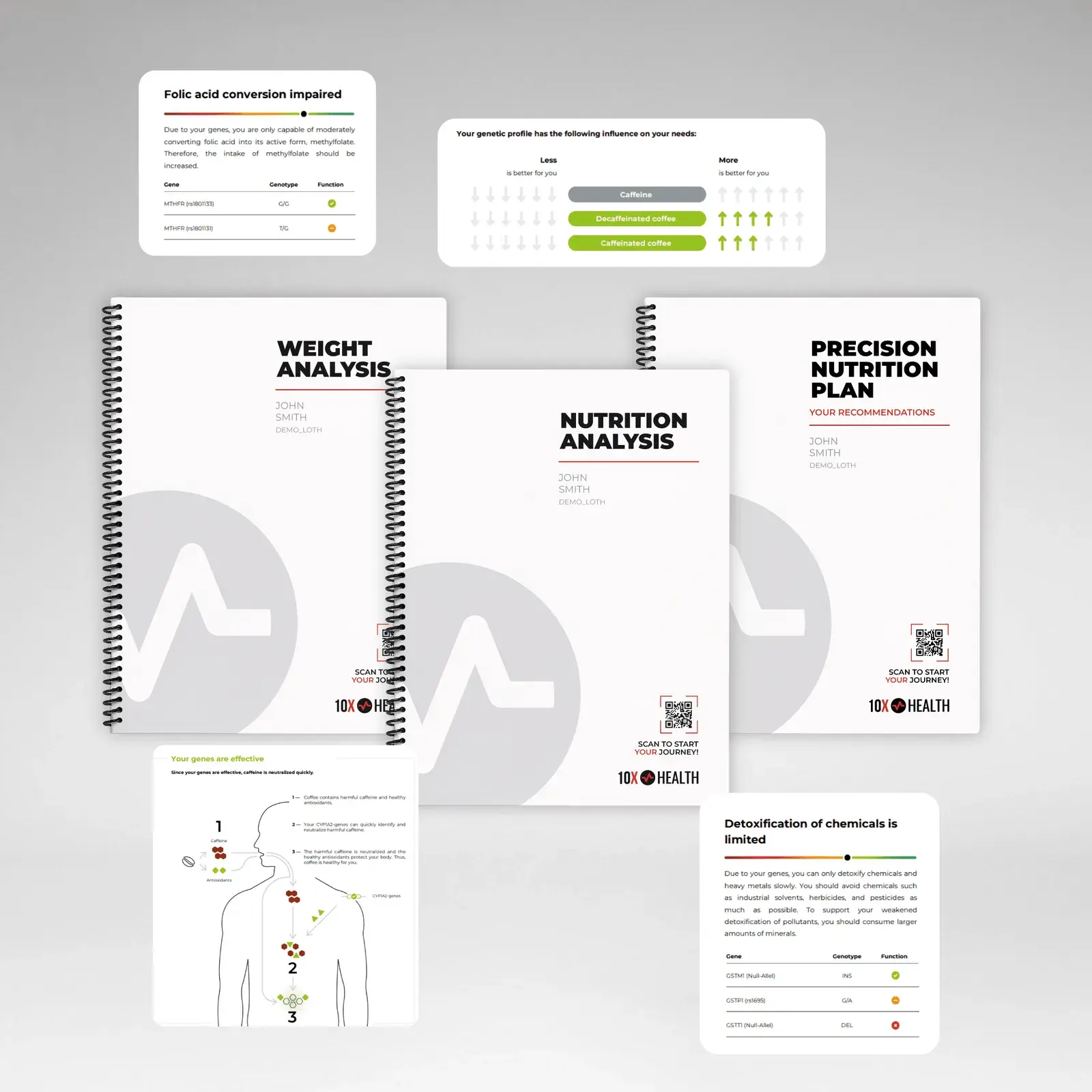 Personalized approachThe 10X Health System Shop now (opens 10X Health in a new tab; affiliate link)
- Save 10%
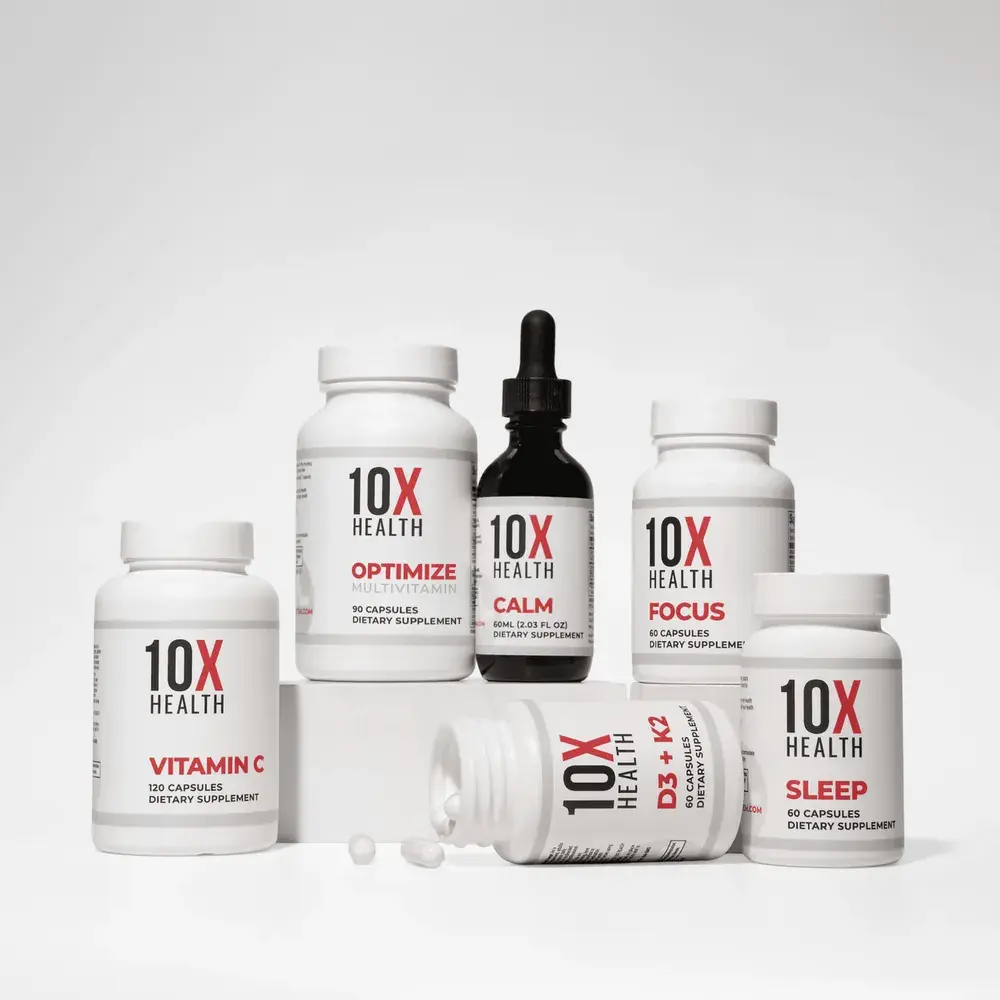 Daily foundations10X Health Foundations Shop now (opens 10X Health in a new tab; affiliate link)
Affiliate disclosure: Live10X is an independent educational site. If you purchase through our 10X Health links, we may earn a commission at no extra cost to you. It never changes what we write. Read our affiliate disclosure.
See everything we coverThese statements have not been evaluated by the Food and Drug Administration. These products are not intended to diagnose, treat, cure, or prevent any disease.
Stop guessing. Start with data — and a plan.
Take the free wellness assessment to find your highest-leverage focus areas, then explore genetic testing when you're ready to personalize further.
“Shop 10X Health” is an affiliate link — we may earn a commission at no extra cost to you. Affiliate disclosure